
History and Foundation Building
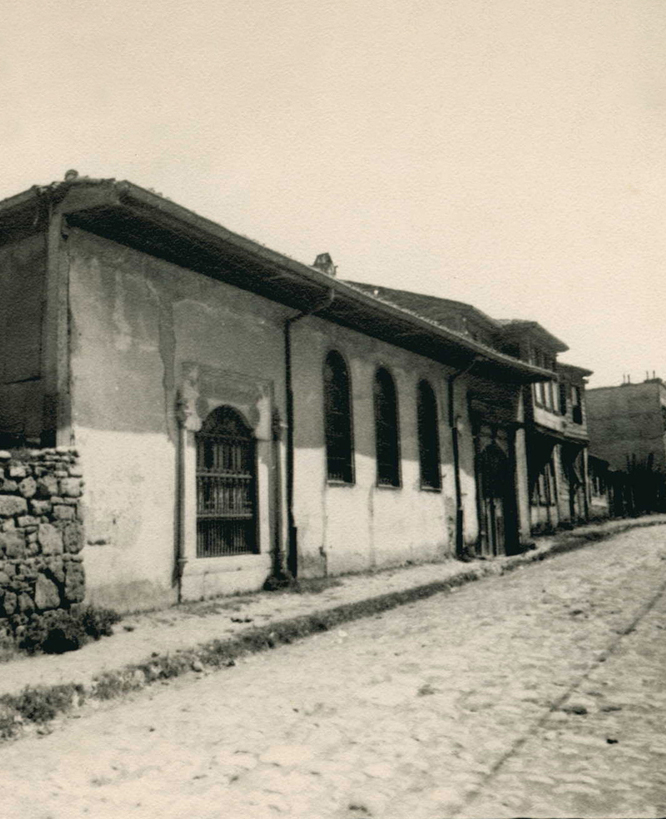
Our foundation carries out its activities on the property (compound) located at Nureddin Tekke Street, Derviş Ali Neighborhood, Fatih District, Istanbul, on plot number 2552, block 34. Prior to November 15, 1703, the Bekir Efendi Mansion stood on this site; from that date until November 30, 1925—when the tekkes were closed—it served as the Central Tekke (Âsitâne) of the Cerrahî Order, one of the most important centers of Istanbul’s ancient Sufi culture. Nureddin Cerrahî (may his secret be sanctified) (d. 1721), who founded the Cerrahî Order, is also buried in the mausoleum located on the same compound.
In 1925, when the tekkes were closed, management of the complex was assigned to Fahreddin Erenden—the tekke’s last postnişîn and also the caretaker of the Nureddin Cerrahî Mausoleum—on the condition that he remain alive. Fahreddin Erenden, who rendered extremely important services in preserving our Sufi cultural heritage and passing it on to future generations, continued to fulfill his duties as caretaker of the mausoleum without interruption until his death in 1966. Subsequently, Muzaffer Ozak founded the Nureddin Cerrahî Mausoleum and Mosque Preservation Association; the complex was officially transferred to this association in 1968.
The Foundation's Establishment
In 1981, under the leadership of Muzaffer Ozak—one of Erenden’s leading students and a prominent figure in Istanbul’s traditional art and cultural circles, known as a bookseller, hafiz, and preacher—the Foundation for the Research and Preservation of Turkish Sufi Music and Folklore was established on the same campus. The founding board of trustees included prominent figures in Sufi culture such as Safer Dal and Ömer Tuğrul İnançer. Following Muzaffer Ozak’s passing in 1985, Safer Dal—a student of Fahreddin Erenden—assumed the presidency of the foundation; and following his passing in 1999, the position was passed on to Ömer Tuğrul İnançer—a student of both Muzaffer Ozak and Safer Dal, one of the leading figures in contemporary Sufi music and folklore, and the founding director of the Ministry of Culture’s Istanbul Historical Turkish Music Ensemble. Following İnançer’s passing in 2022, the presidency of the foundation was assumed by Ahmet Özhan, a State Artist of the Republic of Turkey who served the Ministry of Culture for many years, and he continues to hold this position to this day.
The Foundation's Objectives and Scope of Activities
Our foundation has been actively engaged in the research, documentation, and transmission through education of Turkish Sufi music and folklore. Since its establishment, our foundation has been organizing concerts, exhibitions, seminars, and educational programs with the aim of keeping this deep-rooted tradition alive both within an institutional framework and in a manner faithful to its essence and spirit; establishing archives and specialized libraries; transcribing works into musical notation; digitizing them and making them available online for the benefit of the public; supporting academic research; and preserving this heritage through printed and audio publications.
Preserving Cultural Heritage for the Present and Providing Tangible Services
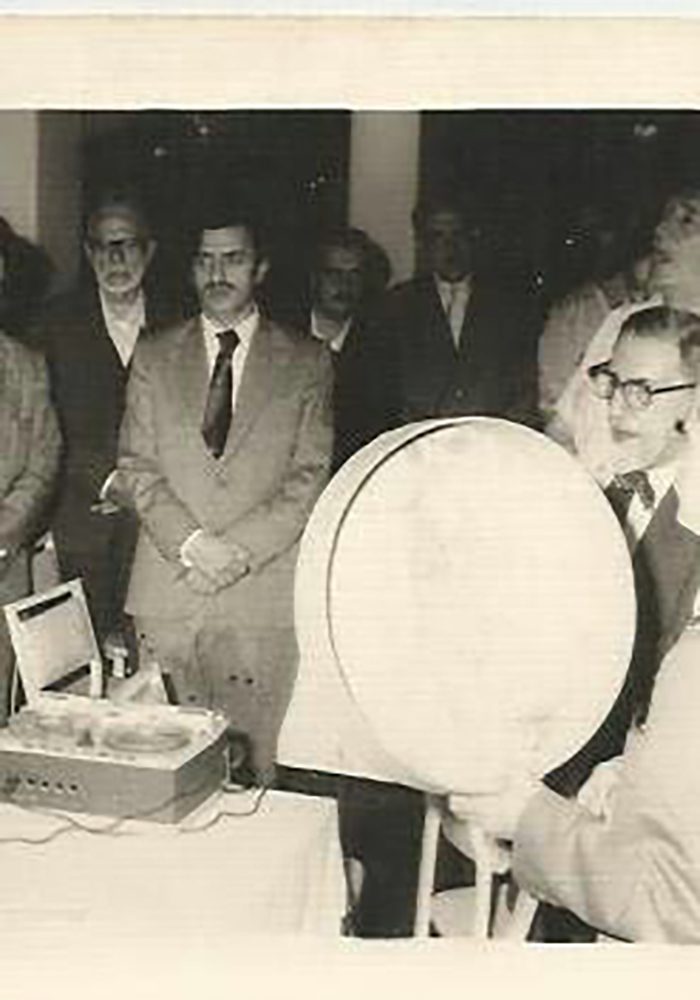
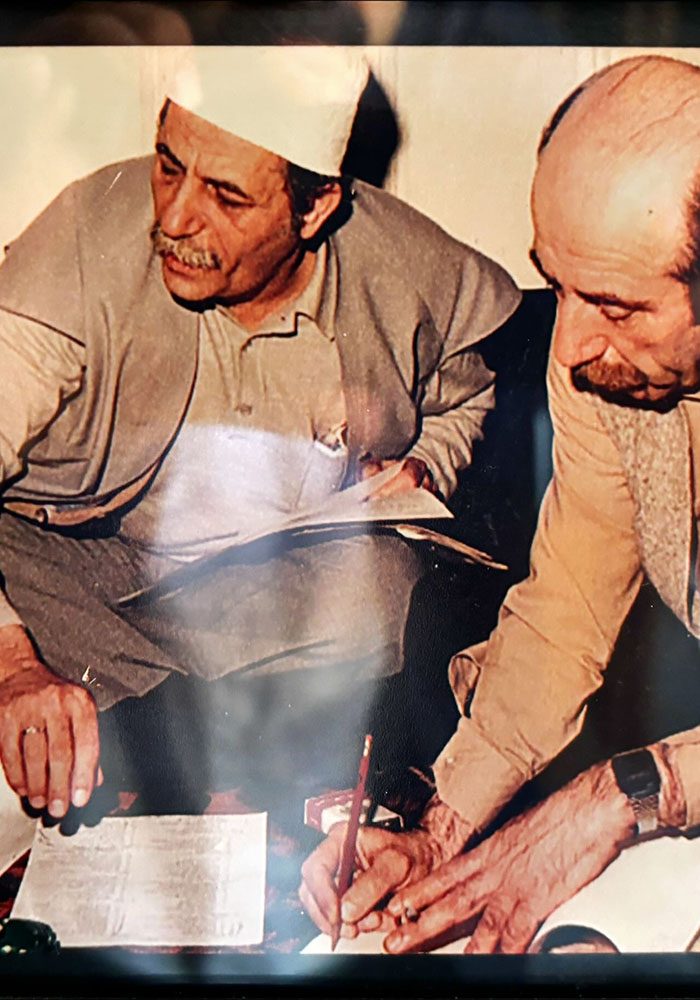
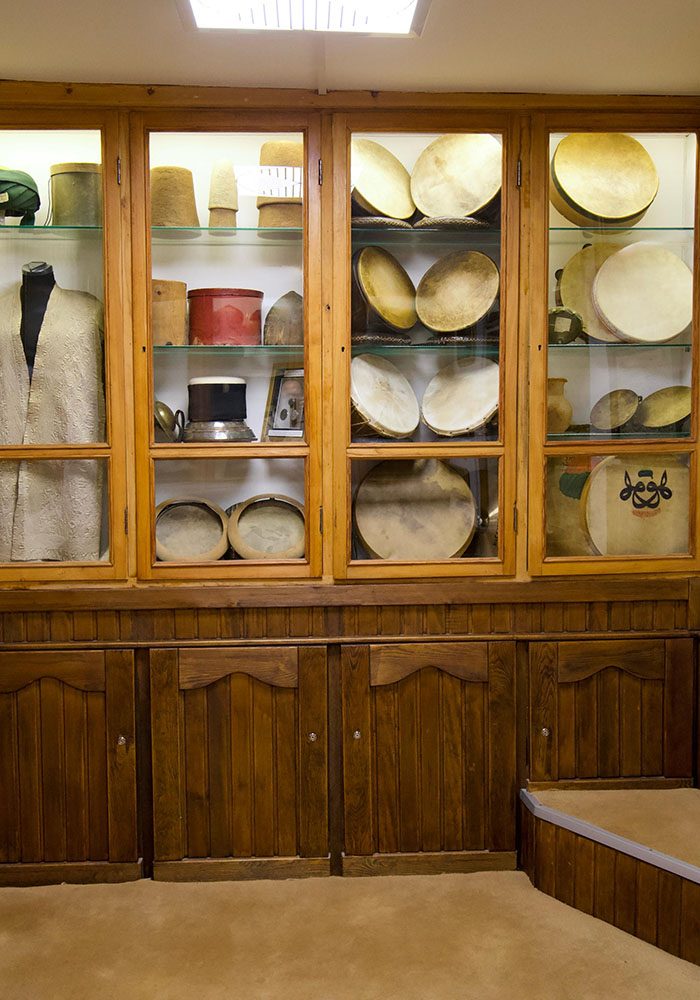
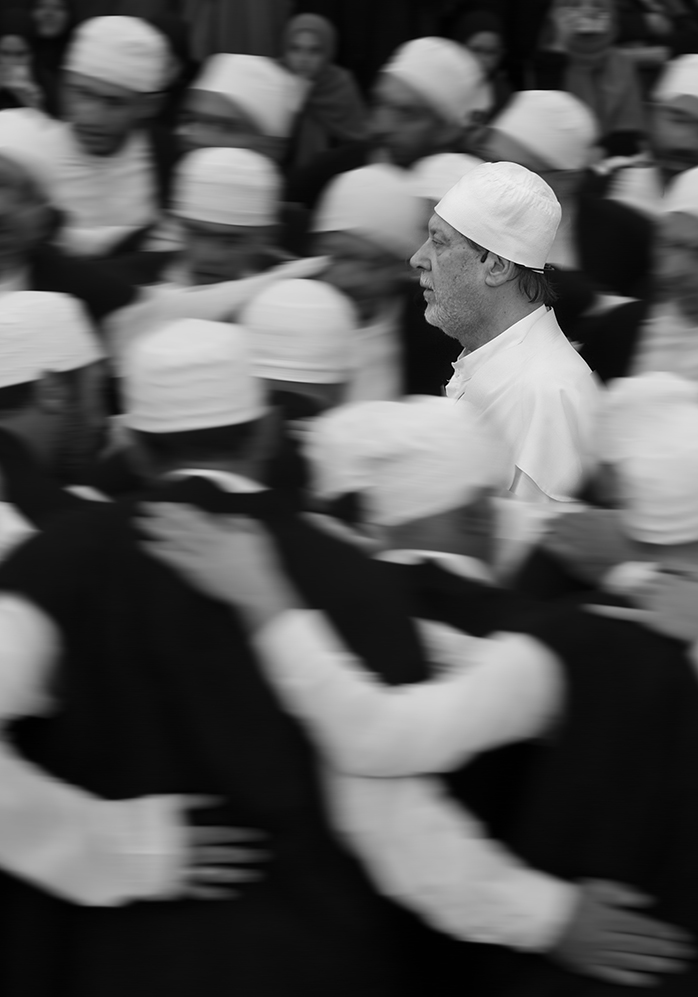
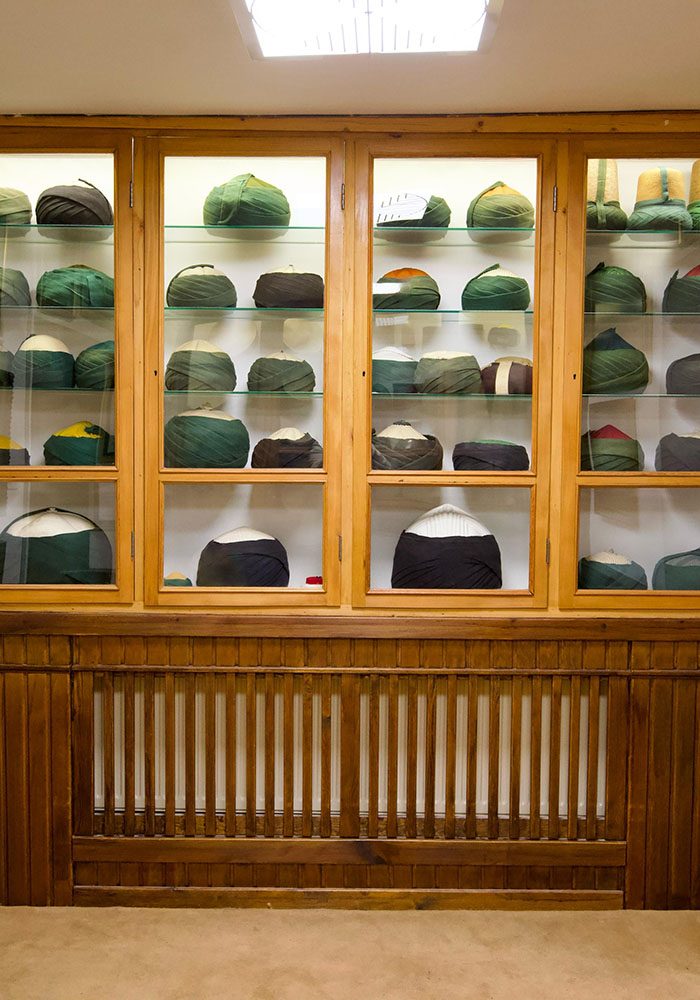
This cultural heritage, inherited from Fahreddin Erenden, has been preserved to the present day thanks to the efforts of our foundation’s administrators; concrete contributions have been made across a wide range of areas, from the maintenance and restoration of the sultan’s and mausoleum’s turbans to performances of Sufi music, as well as the presentation of rituals at the national and international levels since the 1970s. Activities such as the performance, recording, and digitization of these works—making them available to researchers—as well as the production of music albums have transformed our campus into a vibrant center of scholarship and art in the field of Sufi music and folklore. In particular, the Sufi specialized library established within our campus—which holds a unique position in its field with a collection of over 30,000 books—currently makes significant contributions to academic research and serves as a scientific center open to researchers from both Turkey and abroad.
The Uninterrupted Tradition of Sufism
Under the laws in force at the time, the Âsitâne, the Association, and the Cerrahî Âsitâne—which currently serves as the foundation’s headquarters—constitute the world’s foremost authority and center for Sufism and, specifically, the culture, scholarship, and spiritual wisdom of the Cerrahî order.
Vision
To be a vibrant center of scholarship, art, and culture that uses scientific methods to research, document, and preserve all aspects of Turkish Sufi music, literature, and folklore—including performance, texts, music, rituals, and the traditional attire known as “dervish attire”—and to serve as a recognized point of reference at both the national and international levels for the preservation, transmission, and representation of this ancient heritage of wisdom.
Mission
To identify, document and perform Turkish Sufi music and folklore in all their historical, aesthetic and symbolic dimensions; to research, document and preserve the garments known as ‘dervish trousseau’ and the methods used to produce them; to support academic research, publications and educational activities in these fields; and to introduce Sufi culture to society and the world in a manner true to its essence and spirit through concerts, ceremonies, exhibitions and academic conferences.