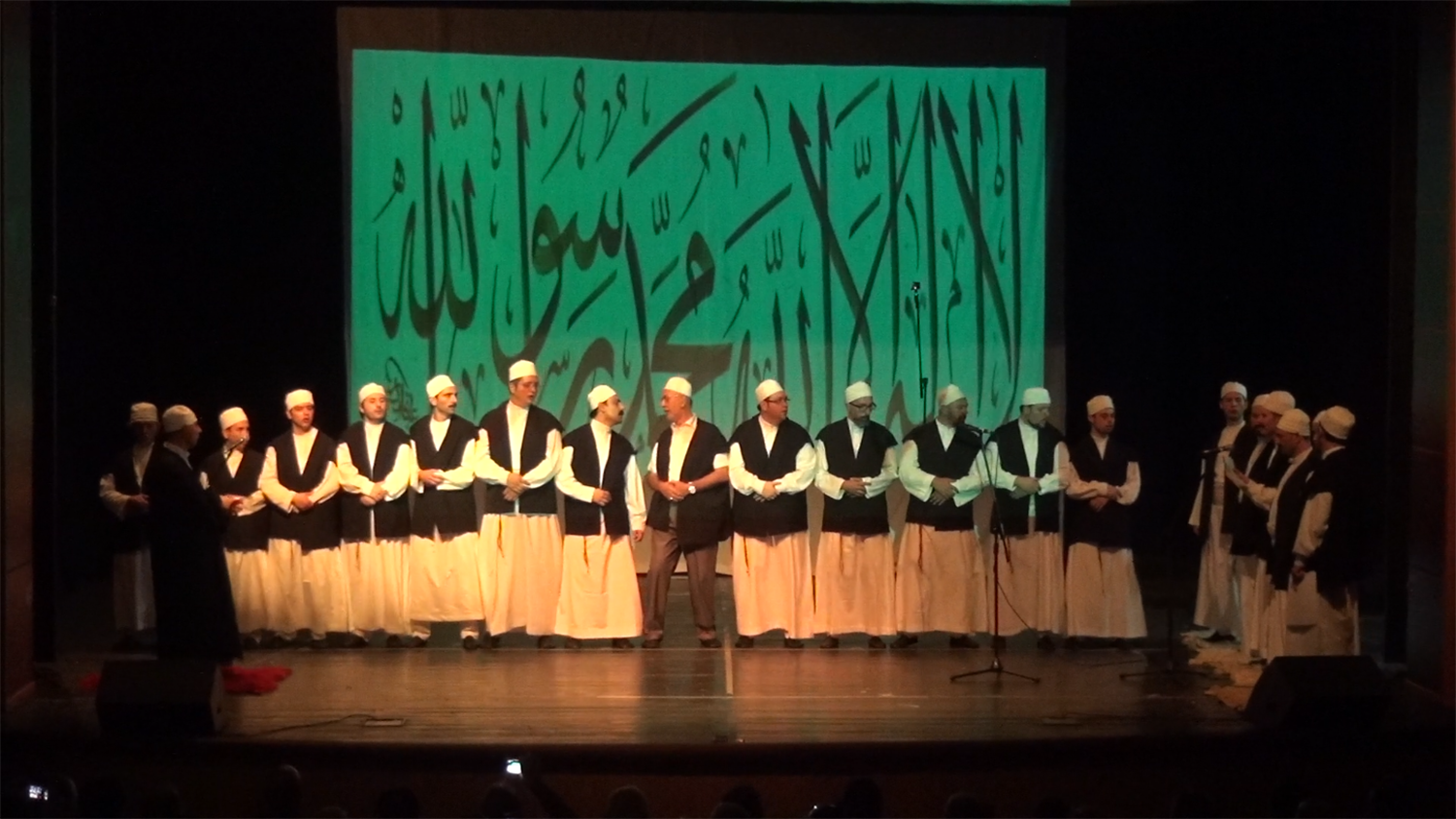
One of the founding objectives of our foundation is to research and document Turkish Sufi music and folklore in all their aspects, and to publish the research and studies carried out in these fields. In line with this, within our foundation, elements of Sufi folklore are being researched; they are being performed and recorded, and educational activities are being carried out to ensure that this cultural heritage is passed on to future generations. The work carried out by our foundation in the field of Sufi folklore is conducted under the following headings:
Research and performance studies on the types of zikr—kuud, devran and kıyam—found within Sufi schools
Research and performance activities relating to the Mevlevi sema and Hazrat Mevlânâ’s Masnavi
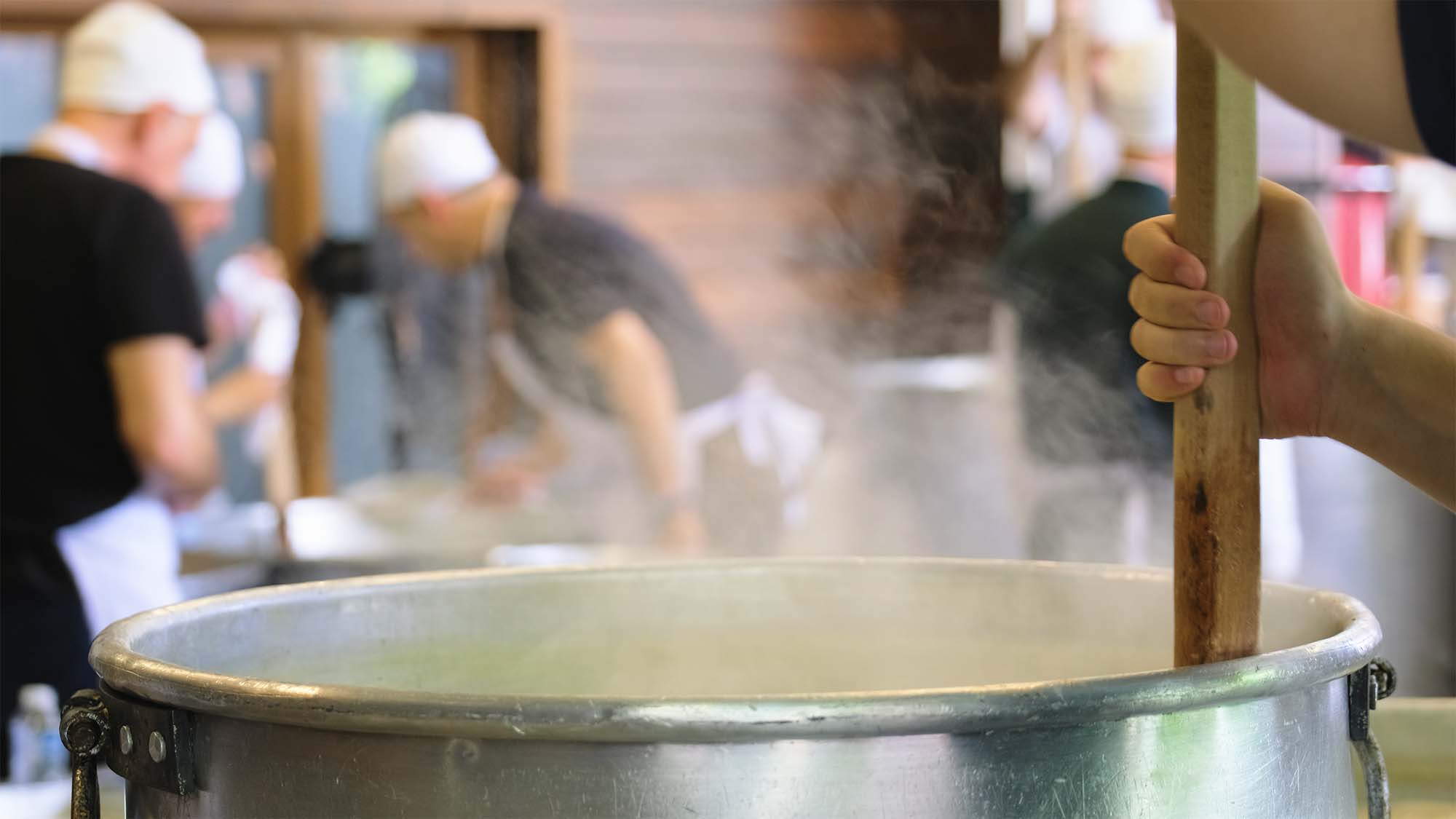
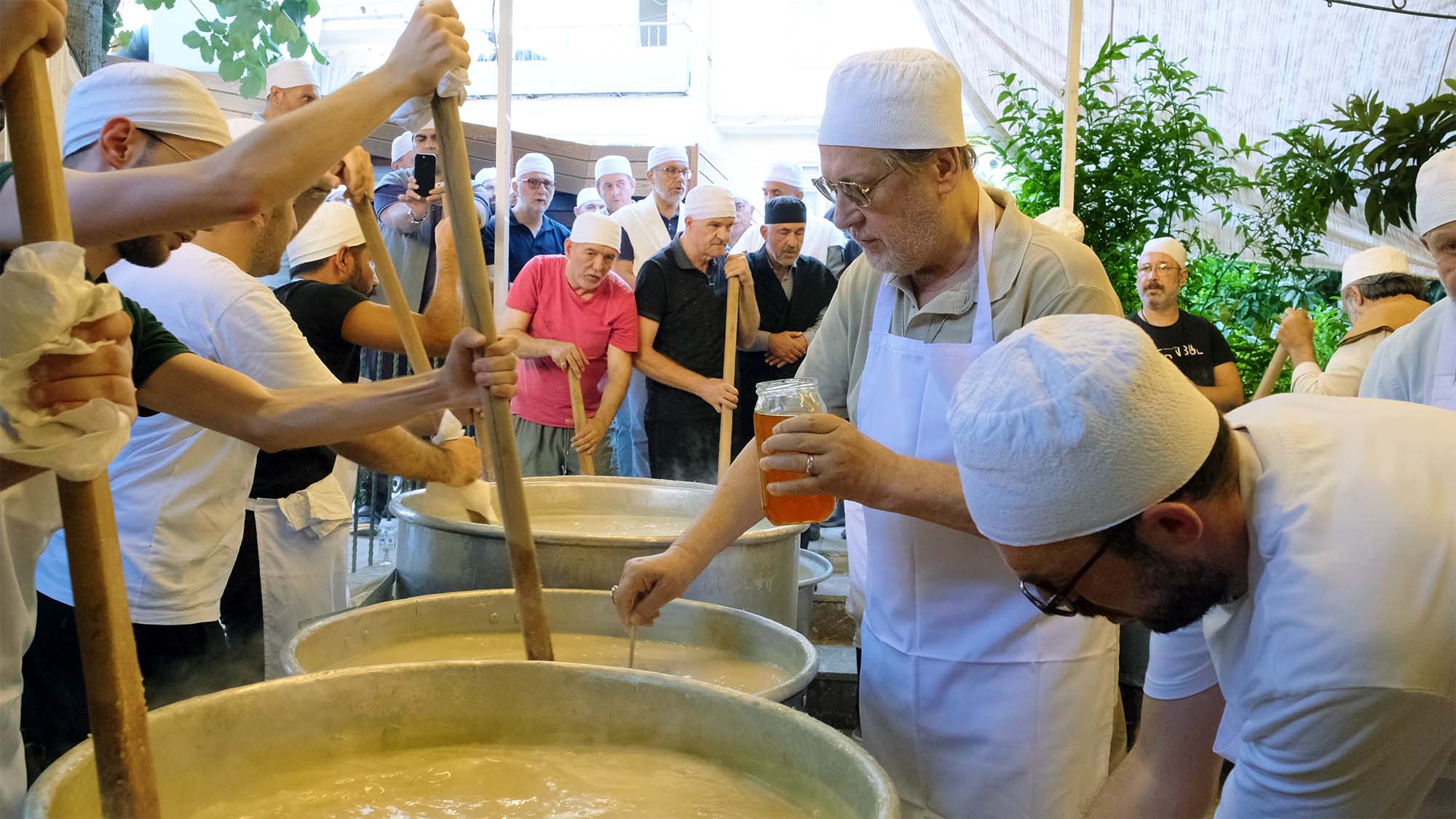
At our foundation’s centre, in keeping with the ancient tradition, ashura is prepared
on the night of the first week of the month of Safar, which is the day designated for ashura preparation
at the Cerrahi Âsitâne.
on the night of the first week of the month of Safar, which is the day designated for ashura preparation
at the Cerrahi Âsitâne.
Zikrullah
The word ‘zikir’ literally means ‘to mention’ and ‘to remember’. In Sufism, zikir is one of the fundamental forms of worship practised for the purpose of mentioning and remembering Allah. The verse in the Holy Qur’an, “They remember their Lord whilst standing, sitting, and lying on their sides, and they reflect on the creation of the heavens and the earth” (Âl-i Imrân, 191), forms one of the fundamental pillars of the various rituals and methods of zikr practised in Sufi schools. Over the centuries in the history of Sufism, the rhythmic, physical and aesthetic additions made to the methods of zikr have ensured that this form of worship is practised in various ways, in keeping with human nature’s aversion to stagnation; this process has yielded extremely rich and aesthetically pleasing results from a folkloric perspective. Today, within Islamic Sufi schools, various examples of Sufi folklore, in which regional and cultural elements take centre stage, are practised worldwide.
Devran
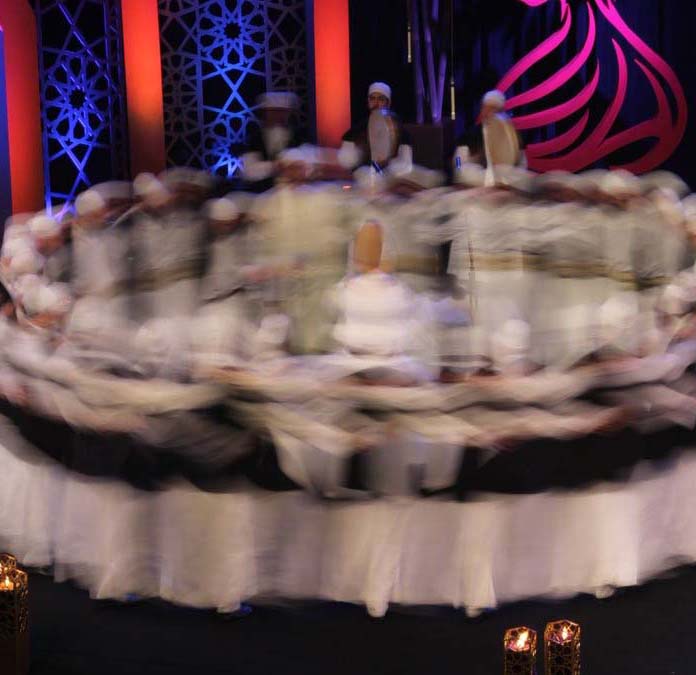
Devran is a zikr ritual in which dervishes stand and form a circle by taking steps. During the Devran ritual, the dervishes turn by stepping to the left or right, depending on the Sufi order to which they belong. The ritual continues as the rhythm gradually accelerates, and the Divine Names ‘Hû’ and ‘Hay’ are usually chanted. Hymns and odes accompany the ritual, whilst percussion instruments such as the bendir, kudüm, halîle and el kudüm support the rhythmic structure of the performance. Devran has been widely practised, particularly in the Anatolian branches of the Halveti and Qadiri orders that trace their origins to the Eşrefî order, and has become one of the characteristic forms of zikr in the Turkish Sufi tradition.
Kıyam
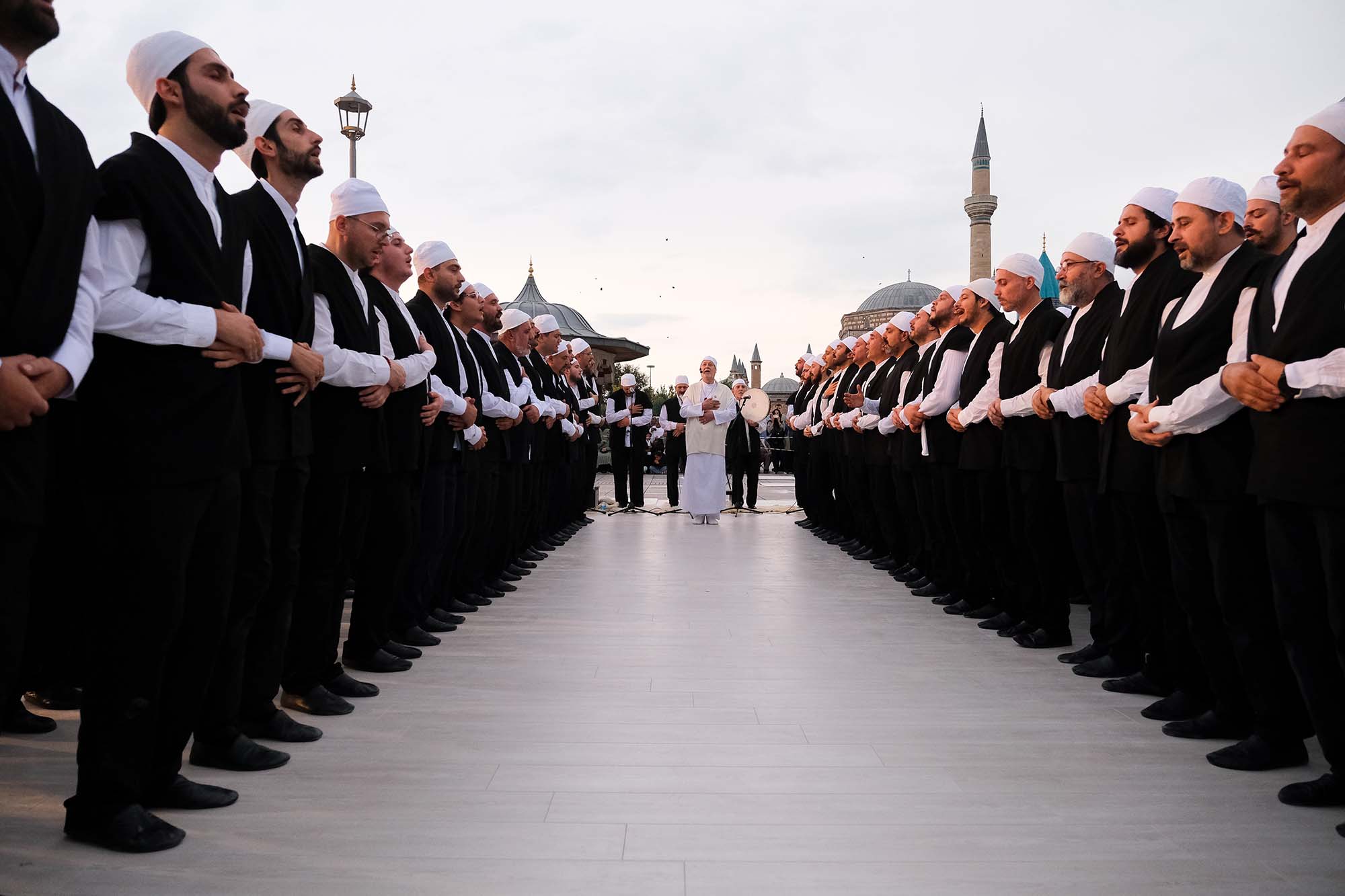
Kıyam is a zikr ritual performed whilst standing. The dervishes line up in facing rows; during the zikr, they bow to the right and left whilst reciting names such as ‘Hay’, ‘Allah’ and ‘Hay Allah Hay’. The ritual involves movements such as turning the body from side to side and, from time to time, kneeling and rising. The Kıyam zikr is practised in Sufi orders such as the Qadiriyya, Rufa’iyya, Bedawiyya, Dussukiyya, Sa’diyya and Shadhiliyya, which are widespread today in Iraq, Syria and North Africa. The ‘Kıyam Kelime-i Tevhid’ ritual, which is unique to the Istanbul Rufa’i order and whose practitioners are now extremely few in number, is a zikr form of the highest calibre in terms of aesthetics and music. This ritual has been recorded by our foundation, complete with its musical notation, and is performed in accordance with the original. Furthermore, the zikr and musical performances of zikr practitioners and musicians from the Ottoman legacy were recorded in audio and video format from the early 1950s onwards by the late Safer Dal, a founding member and second president of our foundation.
Mevlevi Sema
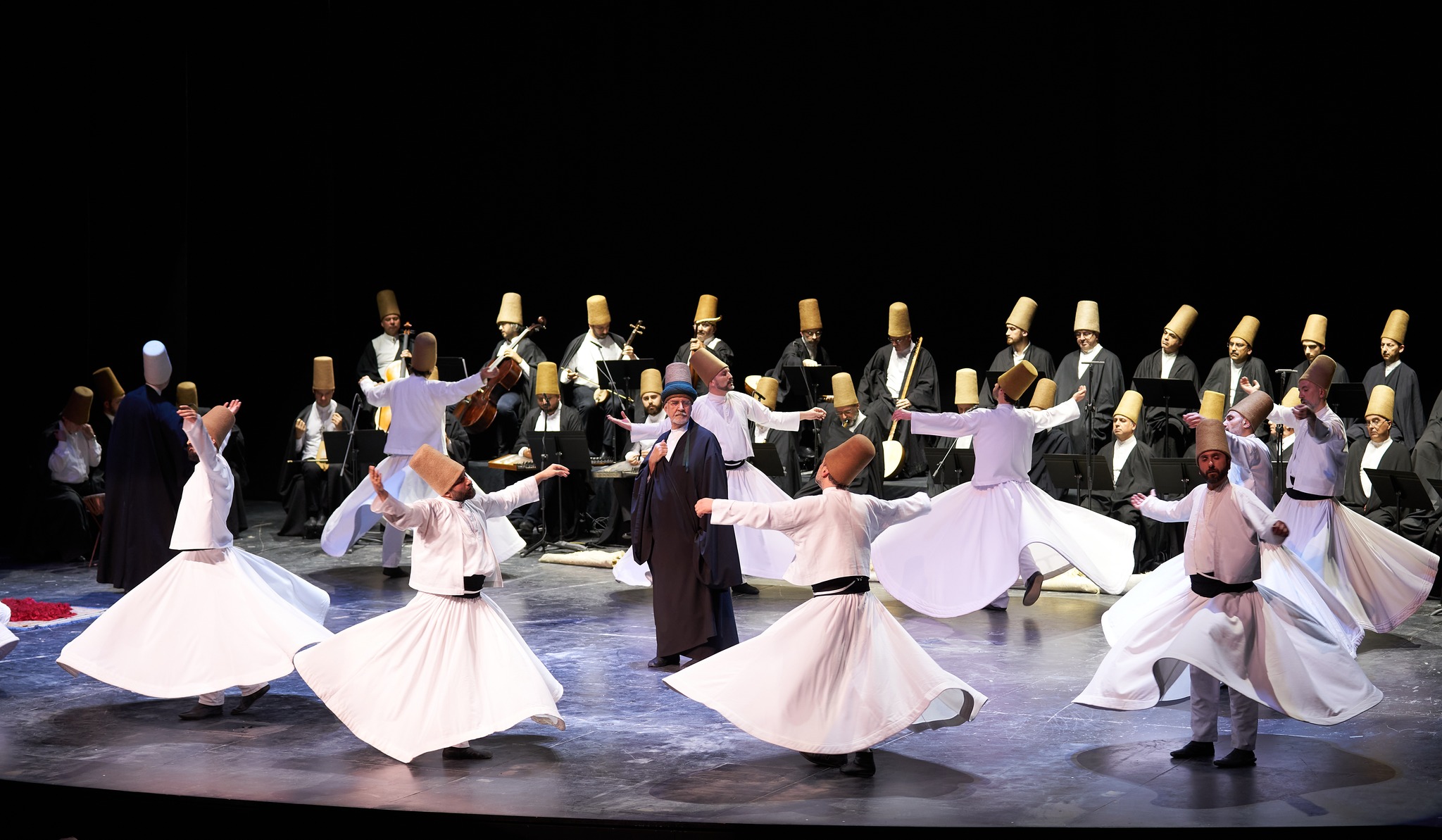
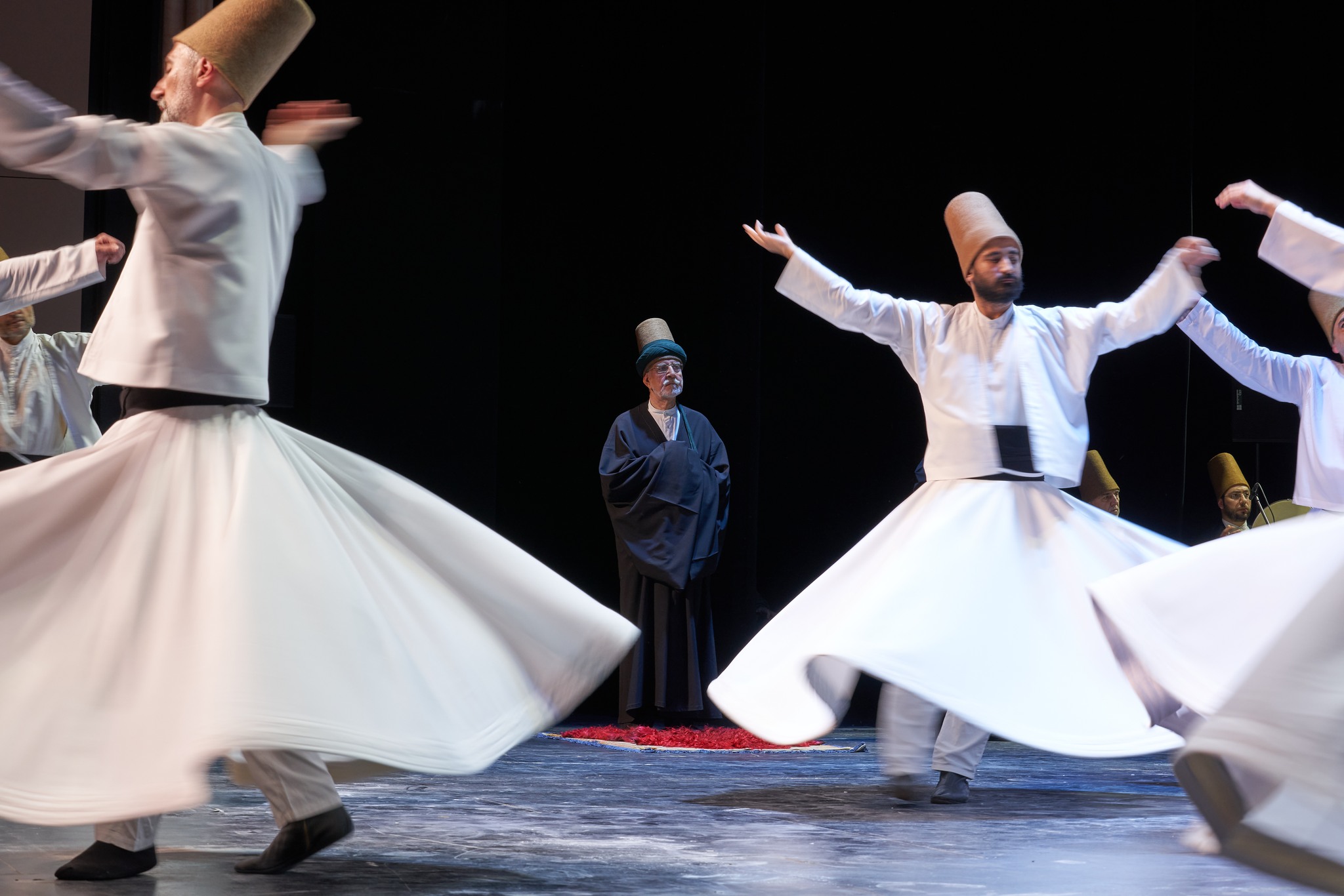
Sema is a zikr ritual performed by semazens of the Mevlevi Order whilst spinning. The semazens spin with their right hands raised upwards and their left hands extended downwards; this movement symbolises the divine grace being received from God and channelled to His creation. Sema represents the semazen’s spiritual journey towards God. The Mevlevi Sema, widely known in our society, and the musical tradition that accompanies it are preserved in their authentic form within our foundation and kept alive through performance. Sheet music relating to Mevlevi rituals is preserved in our foundation’s archives. In line with its founding purpose, our foundation promotes the Mevlevi Sema and other forms of zikr both domestically and internationally; it also provides support, upon request, for performances organised by state institutions. Every Monday, a Mevlevi sema is performed to musical accompaniment at our foundation; sema training sessions are held, and Hazrat Mevlânâ’s *Masnavi* is read and annotated.
Ashura and the Month of Muharram
Ashura is an ancient tradition in which a dish is prepared by combining a variety of ingredients on the tenth day of the month of Muharram according to the Hijri calendar. In the Sufi life of Istanbul, from the conquest of the city until the closure of the tekkes, the first Aşure of Muharram was traditionally prepared at the Sümbül Efendi Tekke in Koca Mustafa Paşa, one of Istanbul’s oldest dervish lodges. Throughout the first ten days of Muharram, the works of Hz. Fuzûlî are recited in the tekkes; on the tenth day, the dervishes of Istanbul would gather to organise mevlid and zikr gatherings in memory of Hz. Hüseyin and the martyrs of Kerbala. During this period, no rhythmic musical instruments were used in the zikr sessions, and earthenware or wooden vessels were preferred to transparent glasses at the tables; hymns, odes and elegies concerning Hz. Hüseyin and Kerbala were recited. Today, in accordance with this ancient tradition, our foundation organises a Mevlid-i Sharif gathering on the tenth day of the month of Muharram at the Sümbül Efendi Mosque in Koca Mustafa Paşa; participants are served milk, sugar and halva. In the ancient tradition, ashura was cooked at the Cerrahi Âsitânesi in Karagümrük to be eaten on the first weekday of the month of Safar (the day of the ayin-i şerif). This tradition, which has continued uninterrupted for 323 years as of 2026, is kept alive today at our foundation centre, and the aşure prepared is served to guests and the local community every year on the first Thursday of the month of Safer. Furthermore, in accordance with the ancient tradition, aşure is prepared at our foundation centre on the first night of the month of Safar, which was the day designated for aşure preparation at the Cerrahi Âsitâne.