Türk Tasavvuf Musikisi ve Folklorunu Araştırma ve Yaşatma Vakfı
Spiritual and Cultural Heritage,
Kept Alive from Tradition to the Future
Studies on the Tailor’s Workshop and the Dervish’s Trousseau
The tailoring workshop operating within the Foundation is a unique centre of practice established with the aim of researching, producing, documenting and passing on to future generations the dervish trousseaus that constitute the material elements of Sufi culture. This tailoring workshop is not merely a production facility; it is also a centre of wisdom where cultural memory is preserved, treated with scholarly rigour, and sustained as a living tradition.
The Transmission of Cultural Memory
The Transmission of Cultural Memory
The work carried out at the tailoring workshop is based on a strong chain of transmission that has been passed down to the present day through the knowledge and experience of our Foundation’s Second Vice-President, Safer Dal—who learnt the methods of sewing dervish trousseaus, including the turban, skullcap, cloak and tennure, from Fahreddin Erenden—and the women who were Fahreddin Efendi’s pupils. This chain represents a holistic cultural heritage that encompasses not only technical tailoring skills but also the etiquette of the order, symbolic language, an understanding of proportions and measurements, knowledge of fabrics, cutting discipline and aesthetic sensitivity. This body of knowledge is preserved not only through written sources but also as an oral and practical tradition passed down from master to apprentice.
Elements and Classification of the Dervish Trousseau
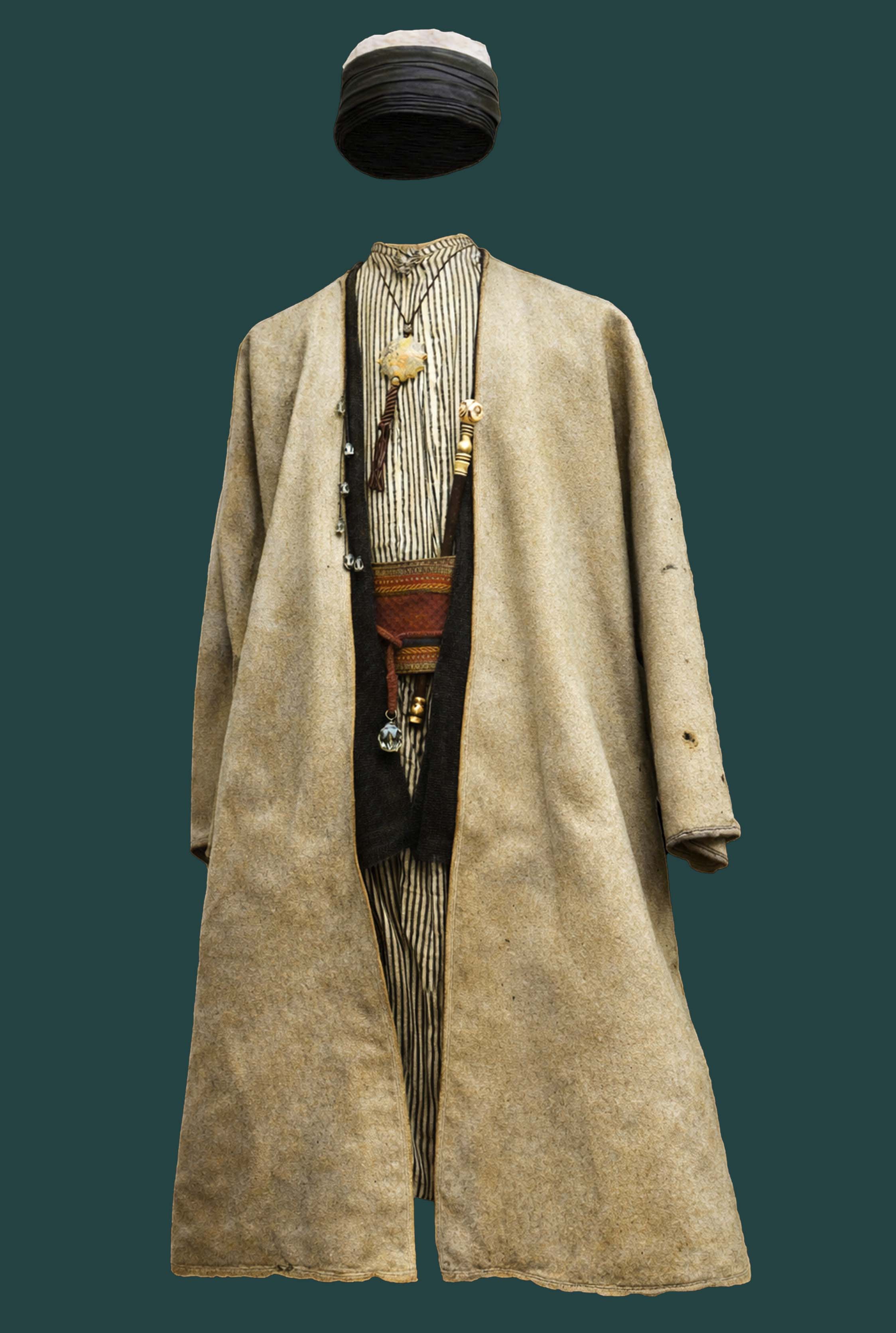
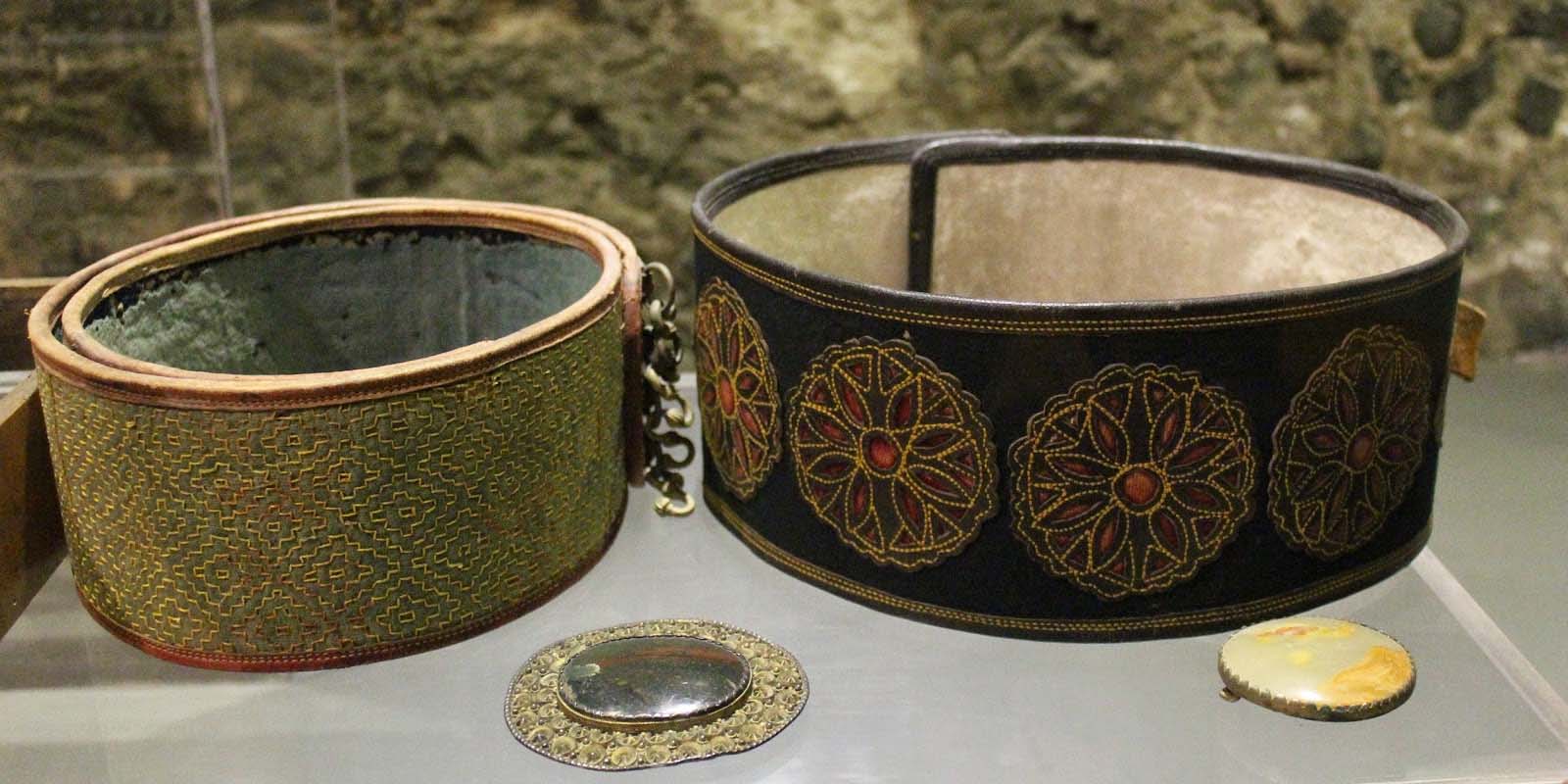
The work carried out at the Tailoring Workshop involves examining the historical, symbolic and functional aspects of elements of dervish trousseaus belonging to various Sufi schools. Within this framework, the main elements researched, produced and documented are as follows:
Tac-ı Şerif headdresses
Hirkas
Banners
Haydariye and Hüseyniyye
Tennures and Sheikh robes
Skullcaps
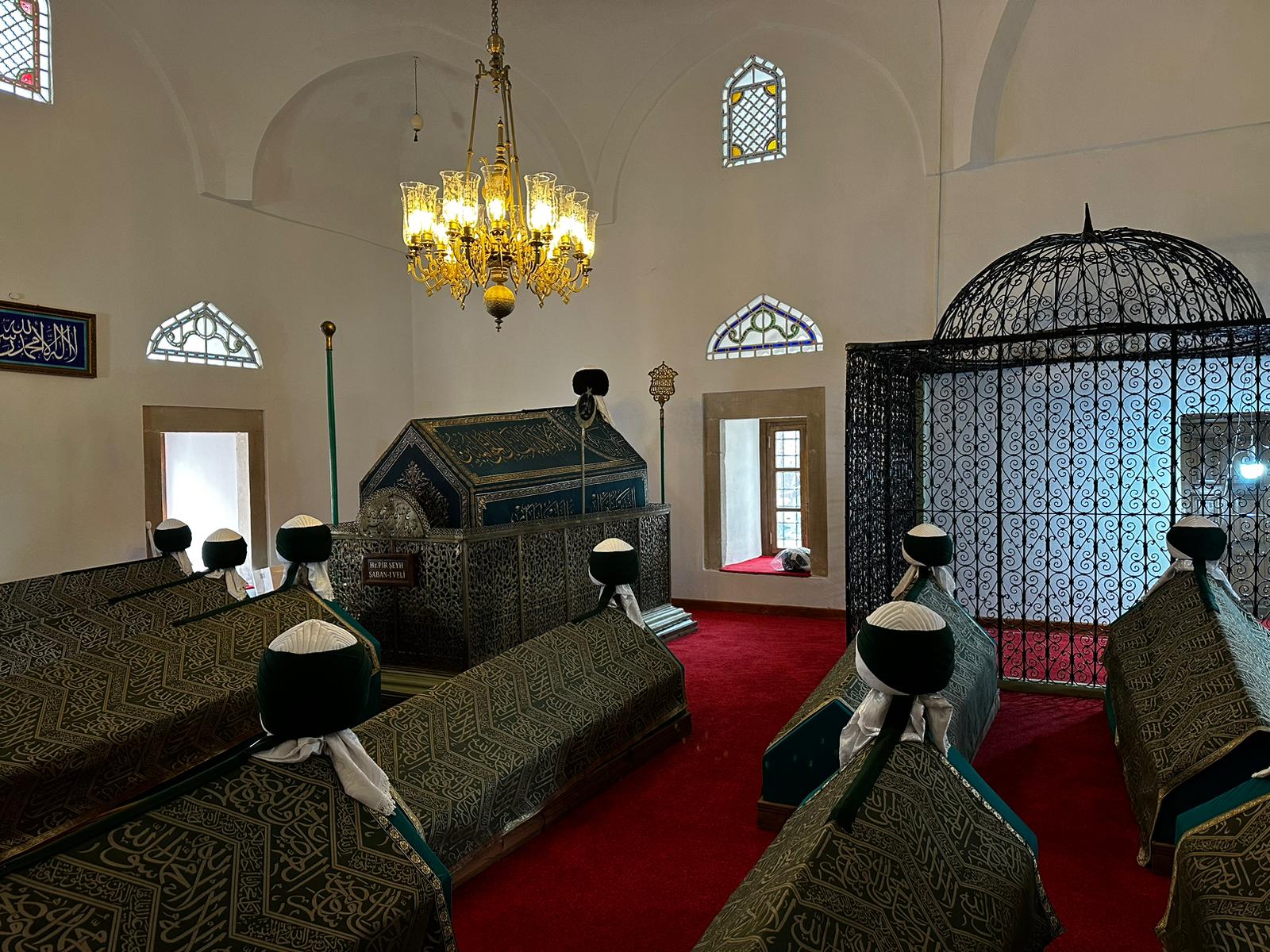
Coffin Crowns and Mausoleum Services
Terzihane also produces sarcophagus crowns for mausoleums located in Turkey and various regions around the world. These crowns, crafted to order, are produced in accordance with traditional measurements and symbolic meanings, whilst taking into account the historical and Sufi identity of the person in question; they are then documented and recorded in the foundation’s archives.
In particular, in 1953—the year marking the 500th anniversary of the conquest of Istanbul—Fahreddin Erenden Efendi personally wrapped the turbans of many sultans’ mausoleums in Istanbul.
Patterns, Motifs and Tailoring Terminology
The production process is based on traditional tailoring terminology; elements such as design, motifs, cutting, patterns, stitching and fabric selection are analysed in the light of historical examples. Whilst the motifs incorporate Sufi order symbols, a sense of proportion and the principle of simplicity, the cutting and stitching are approached with a balance between functionality and aesthetics.
Documentation, Archiving and Passing on to Future Generations
Every piece produced in the tailoring workshop is regarded not only as an object for practical use, but also as a documented cultural artefact. Measurements, technical details, materials used and historical references are recorded and preserved in the foundation’s archive. In this way, the workshop serves as a reliable source of reference for academics researching the tangible heritage of Sufi culture and for enthusiasts of cultural heritage.
Alignment with the Foundation’s Mission
These initiatives are directly aligned with the foundation’s core mission: to research, preserve and pass on Turkish Sufi culture to future generations. Thanks to the activities of the Terzihane, it is possible to understand and sustain Sufi life not only through texts, but also through objects, clothing and symbols.