
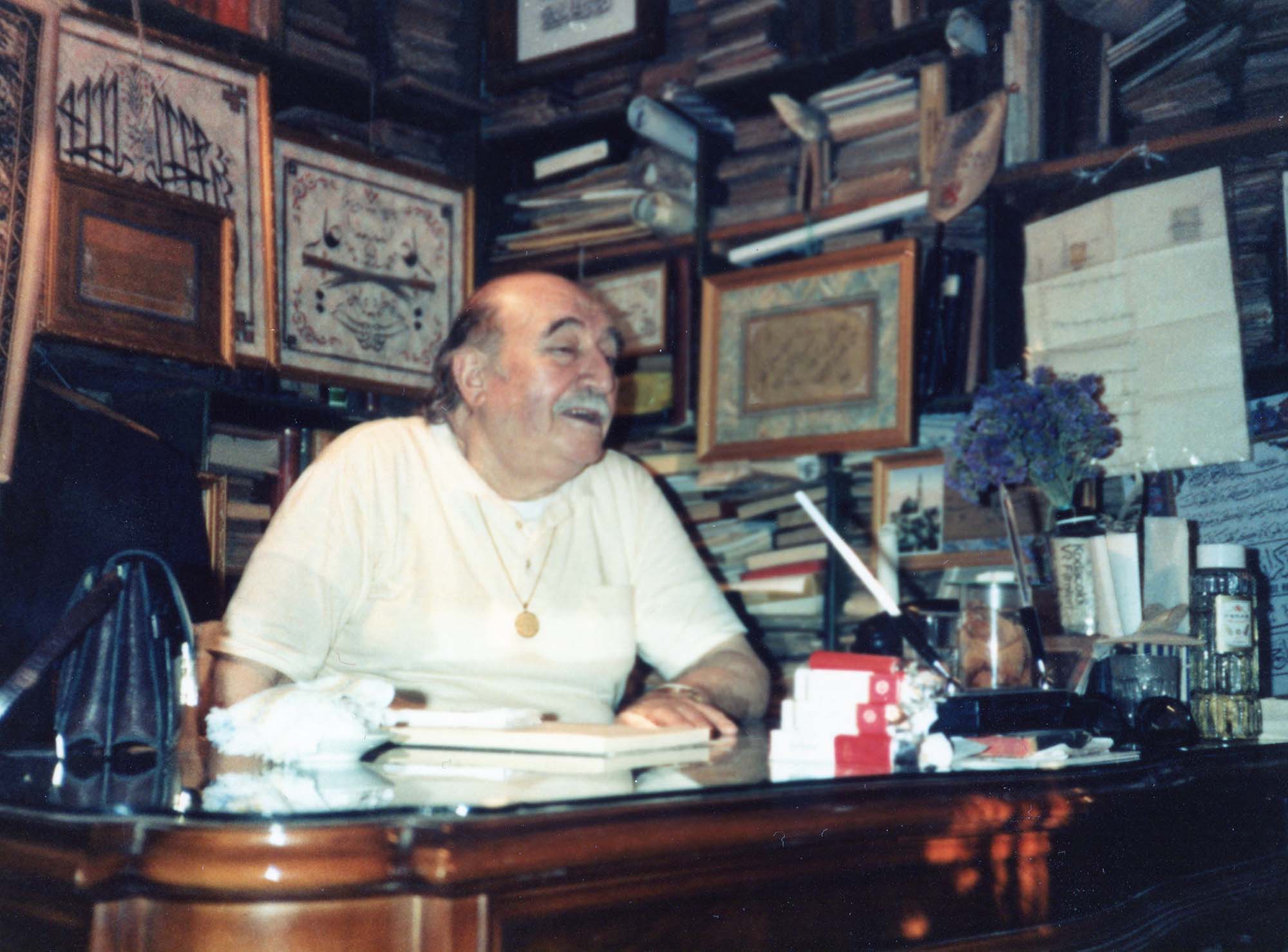
Muzaffer Ozak
He was born in a house near the Karagümrük Nûreddin Cerrâhî Tekke in Istanbul. He was given the name Muzaffer in honour of a victory won in the year of his birth. His father was Hacı Mehmed Efendi from Konya, a descendant of the Cebeci and Başağaoğulları branches of the Kızılkeçeli tribe of the Kayı Turks; his mother was Ayşe Hanım, a granddaughter of Seyyid Hüseyin Efendi, the sheikh of the Yanbolu Halvetî Tekke, from the Ozaklar family. Whilst his father was a teacher at the Plevne Madrasah, the family migrated to Istanbul following the Balkan defeat of 1878; he lost his father at a young age, though his father later rose to the position of teacher of spiritual lessons. One of his two uncles, who had served as the standard-bearer-in-chief to Gazi Osman Pasha, was martyred at Plevne, whilst the other was awarded the title of pasha for refusing to surrender the standard to the Russians. When his two uncles and eleven older brothers were martyred in the First World War, and his youngest brother, Murad Reis, was also martyred during the War of Independence, Muzaffer Ozak remained the sole male member of a poor and destitute family—comprising his two young nieces, his own sister and his mother—at the age of five or six.
Muzaffer Ozak, who received his early education under the guidance of his father’s madrasah classmate, the Uşşâkī sheikh Abdurrahman Sâmi Saruhânî, lost both his sheikh and his teacher whilst he was still only eighteen years old. Whilst searching for a new spiritual guide, he studied the Qur’an and tajweed under Mehmed Râsim Efendi, the chief imam of the Fatih Mosque, and took Arabic lessons from Mustafa Efendi of Gümülcine. He attended lectures on exegesis, hadith and fiqh given by Hacı Hayrullah of Nevşehir, Âtıf Hoca, the Dersiâm Arnavut Hüsrev, Osman Şâkir and Hüseyin Hüsnü Efendi, the Mufti of Sarıyer, and attended the gatherings of sheikhs such as Abdülhakim Arvâsî and Şefik Efendi. He attended calligraphy and decorative arts classes at the Academy of Fine Arts as an auditor, taught by Reisülhattâtîn Kâmil (Akdik), Nureddin and the tuğrakeş İsmail Hakkı (Altunbezer). Ali Yazıcı served as a muezzin at the Soğanağa and Karagümrük Kefeli mosques. He learnt the art of bookbinding from Şâkir Efendi, the imam of the Kefeli Mosque.
He was subsequently appointed as a muezzin at the Beyazıt Mosque. During this time, he opened a shop in Sahaflar Çarşısı and began working as a bookseller alongside his duties as a muezzin. Whilst serving as a muezzin, he studied religious music under Hafız İsmail Hakkı, a pupil of Hafız Ahmed (Irsoy) – the son of Zekâi Dede, who had admired his voice and style of recitation. During these years, he married a teacher who was a close relative of his mentor. When the Vezneciler Mosque, where he was officially posted, was demolished, he was assigned to the Kapalı Çarşı Mosque. He subsequently facilitated the restoration of the mosque known as ‘Camili Han’ in the vicinity of the bazaar, and continued to deliver sermons, read the Friday sermon and lead Friday prayers there until his death. For over twenty years, he served as an honorary imam at the Süleymaniye Mosque during the month of Ramadan.
Works
1. Irshad (Volumes I–III, Istanbul 1964, 1967, 1968). Comprising thirty-three ‘lessons’, this work is written in the style of sermons and homilies, with the topics presented through instructive stories in the light of verses from the Qur’an and hadiths. It has been summarised and translated into English (Irshad: The Wisdom of a Sufi Master, trans. Muhtar Holland, New York 1988). 2. *Envârü’l-kulûb* (Vol. I–III, Istanbul 1975, 1977, 1979). This work, which serves as a continuation of *Irshad*, contains twenty-eight lessons. 3. *Zînetü’l-kulûb* (Istanbul 1973). Following an introduction to the basics of Islamic jurisprudence, the work discusses the nature of Sufism, the spiritual journey (seyrüsülûk), the attributes and ranks of the self, and provides information on famous Sufis. The work, which also includes six examples of devotional prayers (evrâd), concludes with the author’s religious and Sufi poems. 4. Aşk Yolu Vuslat Tariki (Istanbul, n.d.). The work explains the nature, types and importance of devran and zikr, and responds to objections raised on these subjects (English trans. *The Unveiling of Love: Sufism and Remembrance of God*, trans. Muhtar Holland, New York 1981). 5. *Gülzâr-ı Ârifân*, *The Garden of Love* (Istanbul 1969, 1977). It consists of qasidas, ilahis and na’ts. 6. *Submission: Sayings of the Prophet Muhammad* (New York 1977). It contains commentaries on ninety-nine hadiths. The calligraphic script of the hadiths and the English commentaries are by Tevfik Rüştü Topuzoğlu, whilst the publication was edited by Shems Friedlander. 7. Ninety-nine Names of Allah (New York 1978). This work is also an English translation, by the same individuals, of Muzaffer Ozak’s commentaries on the meanings of the ninety-nine names of Allah and the importance of supplicating using them. Robert Frager translated Muzaffer Ozak’s talks, delivered at various times in the United States, into English and published them under the title *Love is the Vine* (New York 1988); the work has been translated into Turkish as *Aşktır Asıl Şarap* (trans. Ömer Çolakoğlu, Istanbul 2004). Ozak also translated Kudûrî’s *el-Muḫtaṣar* into Turkish (*Kudûrî-i Şerif Tercümesi: With Questions and Answers, Istanbul 1958), produced a Latin-script edition of Lâmiî Çelebi’s *Tercüme-i Şevâhidü’n-nübüvve* (1958), and had articles published in the journal *İslâm Dünyası*, edited by M. Râif Ogan.
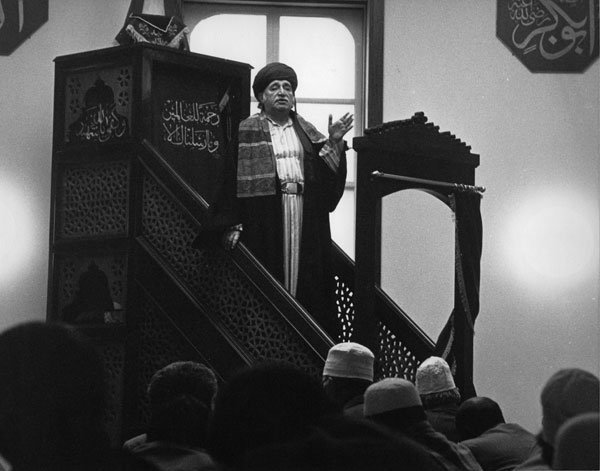
Whilst serving as imam at the Vezneciler Mosque, he became a disciple of Ahmed Tâhir Efendi of Maraş, a Halvetî-Shâbânî sheikh whom he referred to as his ‘second spiritual guide’. From him, he read Muhyiddin Ibn al-‘Arabi’s *al-Futūḥāt al-Makkiyya* and *Fuṣūṣ al-Ḥikam*. For seven years, Ahmed Tâhir Efendi would visit his shop every day to answer the questions he encountered, and it was from him that he learnt all the subtleties of Sufism. Following Maraşlı’s death (1954), whilst he was attending the Kādirihâne and the Kasımpaşa Aynî Ali Baba Rifâî Tekke, he was offered the position of khalīfah within the Kādiriyya order. However, he chose to join the Halvetî-Cerrâhî sheikh Fahreddin Efendi (Erenden), whom he had seen in his istihâre and whose hand his Arabic teacher from childhood, Açıkbaş Mustafa Efendi, had made him kiss at the Fatih Mosque, asking him to pray for his success. Following the death (1966) of Sheikh Ozak, who had been appointed as his successor in 1965, he began his role as spiritual guide in his capacity as the nineteenth custodian of the tomb and post-holder of the Nûreddin Cerrâhî Tekke. Muzaffer Ozak served as a preacher in a total of forty-two mosques, including the imperial mosques of Sultan Ahmed, Beyazıt, Fatih, Eyüp and Süleymaniye, as well as in coffeehouses, at the Nûreddin Cerrâhî Tekke in Karagümrük, and particularly in his bookshop—which served as a unique centre of knowledge and wisdom, as well as a gathering place for spiritual discourse—he endeavoured to teach Islam to people of all backgrounds, to instil a love for the faith in them, and to help them live their lives in accordance with its teachings.
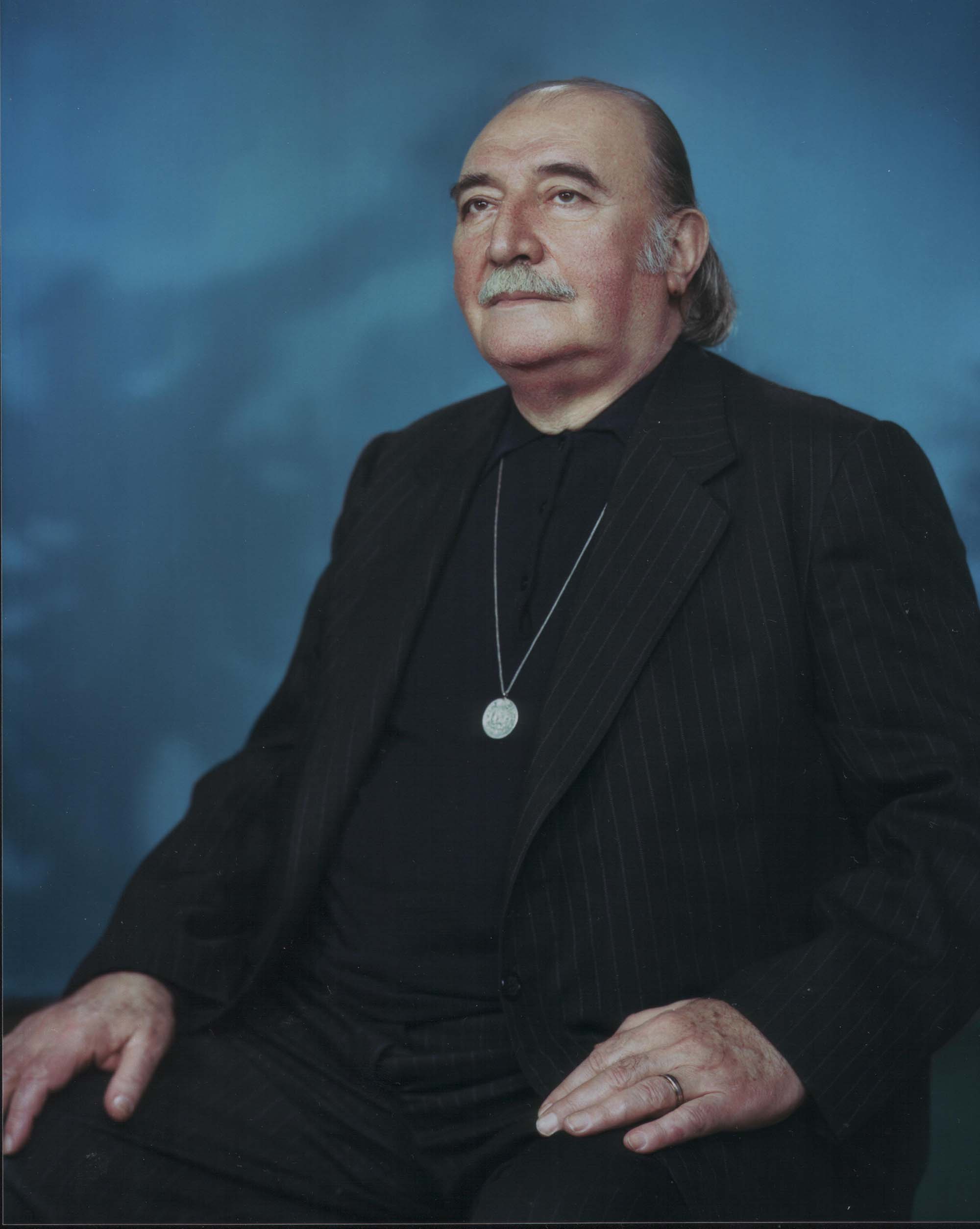
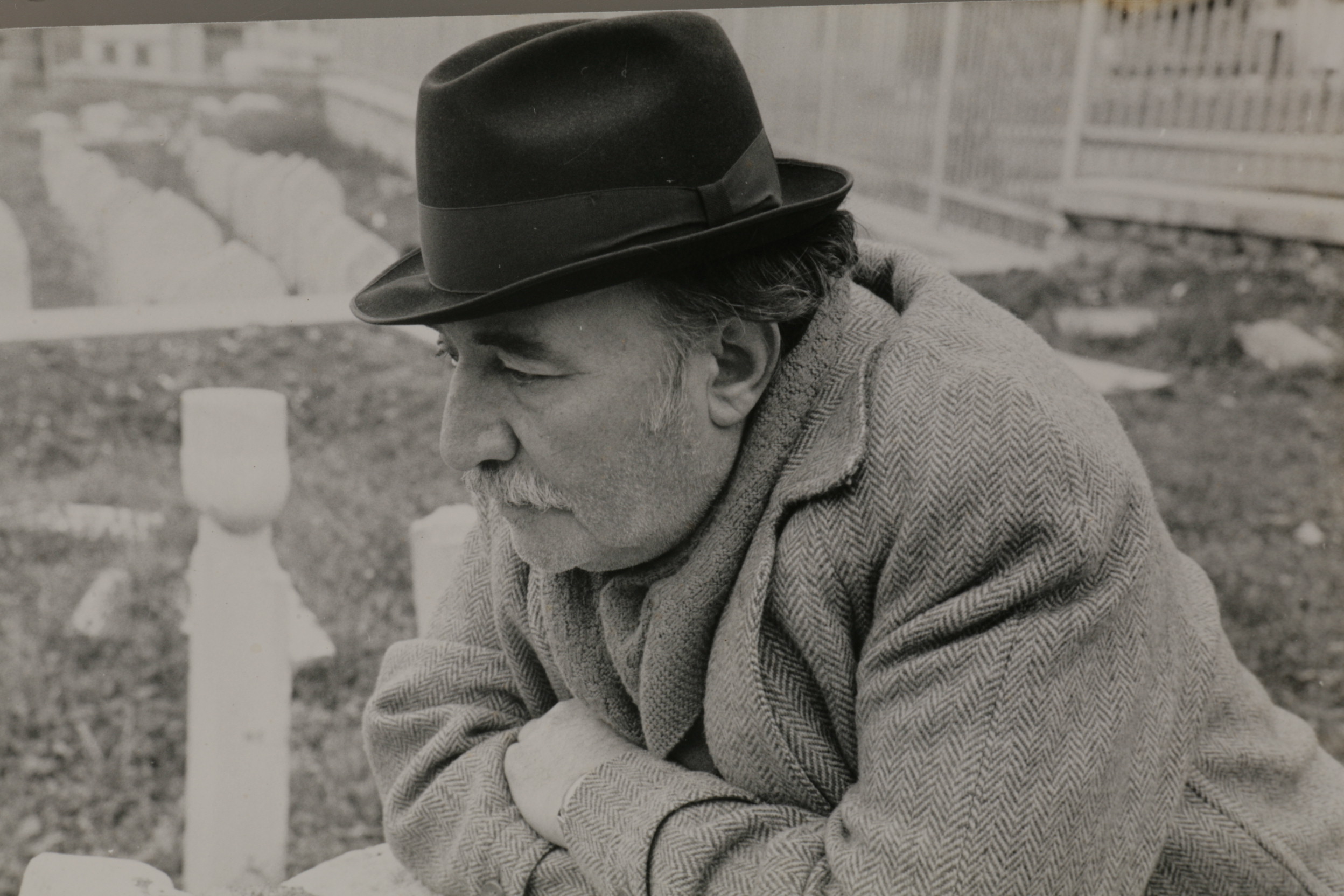
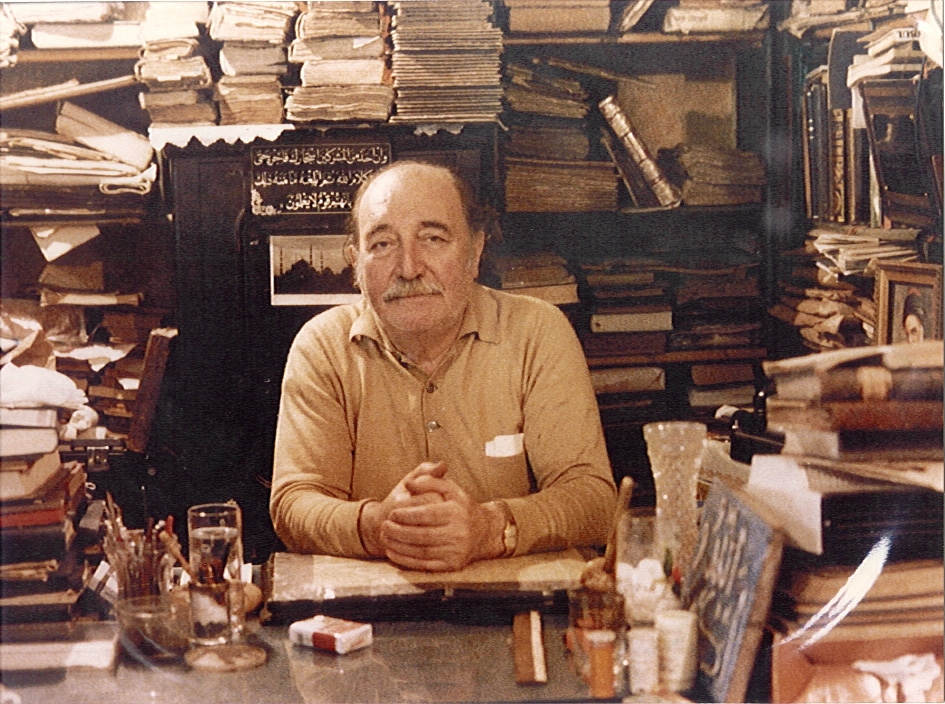
Muzaffer Ozak, a popular preacher known for his engaging manner and exceptional wit, possessed the ability to summarise and explain complex religious issues with ease, and to convey and teach topics concisely through instructive stories; his sermons and speeches, along with his approach to the subjects and his style of delivery, attracted the attention and interest of foreigners. He received invitations from official and private organisations organising cultural and arts festivals in the United States, Germany, the United Kingdom, the Netherlands, Belgium and France to deliver the Sufi talks he had given in cities such as Jerusalem, Baghdad, Damascus and Cairo, and to demonstrate examples of Sufi rituals. From the late 1970s onwards, he attended these invitations together with his disciples. The impact of the Sufi talks he delivered in these countries on his audience was just as positive as that on his own compatriots. This was largely due not only to his imposing and charismatic appearance, but also to the fact that he was a devotee who regarded it as his duty to serve with love all those who took an interest in Islam. Indeed, he sought to express this through the pen name ‘Aşkî’, which he used in the poems he wrote in the style of Yunus Emre.
During his travels in Europe and America, Muzaffer Ozak particularly emphasised the verse stating that Islam is the only religion in the sight of Allah. To clarify this point, he explained that all prophets preached Islam—the system of belief in one God—but that Christians and Jews, failing to grasp this unity, had throughout history created religions named after prophets and even saints, and, by needlessly turning this into a matter of competition and strife, waged ceaseless wars; whereas the Holy Qur’an states that no distinction should be made between the prophets, and he drew attention to the fact that a Muslim who makes such a distinction would be considered to have apostatised. He repeatedly emphasised that attempting to establish a world order or a religion by taking elements from every faith and combining them under the banner of ‘humanism’ is misguided; furthermore, as it would be a man-made, fabricated religion, this would be a dangerous endeavour for both this world and the Hereafter. He responded to members of the Christian and Jewish communities who sought to disparage Islam by criticising certain rulings they deemed rigid or outdated, using examples from their own religions to demonstrate that he was not unfamiliar with the other Abrahamic faiths and did not view the matter from a one-sided perspective. Muzaffer Ozak passed away on 13 February 1985, after nineteen years of spiritual guidance at the Nûreddin Cerrâhî Tekke, and was buried in the mausoleum section of the tekke.
Source: This biography, written by Tevfik Rüştü Topuzoğlu, appears on pages 16–17 of Volume 34 of the TDV Islamic Encyclopaedia, published in Istanbul in 2007.