
Sufi Music
Sufi Music
The Foundation houses a rich musical archive comprising dozens of musical modes and hundreds of compositions. This archive comprises a classical repertoire—which has been passed down through the centuries, largely by oral transmission (meşk) until the mid-19th century and subsequently through notation efforts—as well as works composed by distinguished musicians from the past century to the present day.
The Historical Background of the Archive
In order to properly understand the long-standing development of the Foundation’s archive, it is necessary to examine the historical evolution of the building that houses it today, as well as the serzâkirs and musicians who served in this venue. The period in the early 18th century when the Cerrahiyye was founded and expanded corresponds to the years when Turkish Sufi music reached its peak. Ali Şîruganî (d. 1714), Itrî (d. 1711), Enfî Hasan Ağa (d. 1728), Nâyî Osman Dede (d. 1729) and Çâlâkzâde Mustafa (d. 1757) were among the leading composers of Turkish music, alongside many other important performers, who were the defining figures of this era. In such a rich musical environment, the emergence of a distinguished musical tradition within the Cerrahiy order was inevitable.
Âsitâne of Cerrahî and Serzâkirs
A look at the history of the Cerrahî Âsitânesi reveals that it was staffed by serzâkirs who possessed an extensive repertoire, a high level of theoretical knowledge of music and performance skills, and a thorough understanding of the sequence of zikr ceremonies. Some of these figures include: Sheikh Hasan Efendi (d. 1804), Sheikh Mehmet Necip Dede (d. 1819), Pepeyi Sheikh Hasan Efendi (d. 1822), Sheikh Mustafa Efendi (d. 1827), Sheikh Ismail Efendi (Kanbur Hafız) (d. 1839), Sheikh Salih Efendi (d. 1852), Sheikh Salih Efendi, Overseer of the Oil Merchants (d. 1869), Sheikh Ömer Efendi, the Quilt-Maker (d. 1872), Sheikh Hafız Mehmet Efendi of the Wooden Minaret (d. 1873), Sheikh Hafız Hüseyin Efendi (d. 1901), Sheikh Mustafa Efendi (d. 1915), Sheikh İbrahim Ethem Efendi (d. 1916). Many highly esteemed serzâkirs also served in other Cerrahî tekkes. Eyyûbî Mehmet Bey Sertarikzâde Sheikh Mehmet Emin Efendi (d. 1758), a disciple of İsmail Dede Efendi and the teacher of two great masters of music, Zekâi Dede and Hacı Arif Bey, served as serzâkir at the Cerrahî tekke he had built. Similarly, Eğrikapılı Şeyh Mehmet Efendi (d. 1916), who was also the serzâkir of the Sertarikzâde dervish lodge, learnt music from Zekâi Dede and Eyüplü Rıza Efendi, the Sheikh of the Hatûniye Dergâh, and the Hamparsum notation from Neyzen Râşit Baba. Eğrikapılı Şeyh Mehmet Efendi served as serzâkir at both the Sertarikzâde Tekke and the Cerrahî Âsitâne.
The Tradition of Notation and Compilation Activities
Following the establishment of the Mızıka-ı Hümâyun in 1826, the number of practitioners of Western music in Istanbul increased; at the same time, the use of musical notation became more widespread. During this period, a large number of publications were produced and musical suites were printed. Encouraged by state officials, the repertoire that had previously been passed down orally began to be transcribed into musical notation; musicians closely associated with dervish culture, such as Ali Rıza Şengel and Abdülkadir Töre, created collections by transcribing the religious musical works they had memorised.
The Fahreddin Erenden Era
With the closure of the dervish lodges in 1925, the institutional foundation of Sufi music ceased to exist; however, musicians who had formerly been members of the lodges continued to keep this tradition alive through private musical gatherings. During this period, Sheikh İbrahim Fahreddin Efendi (Erenden, d. 16 November 1966), who held the post of postnişîn at the âsitâne, resided in the tekke building in accordance with the law and rendered invaluable services in ensuring that Sufi music has survived to the present day. There are 13 of Fahreddin Efendi’s sermons in the archive.
Muzaffer Ozak and The Foundation’s Establishment Process
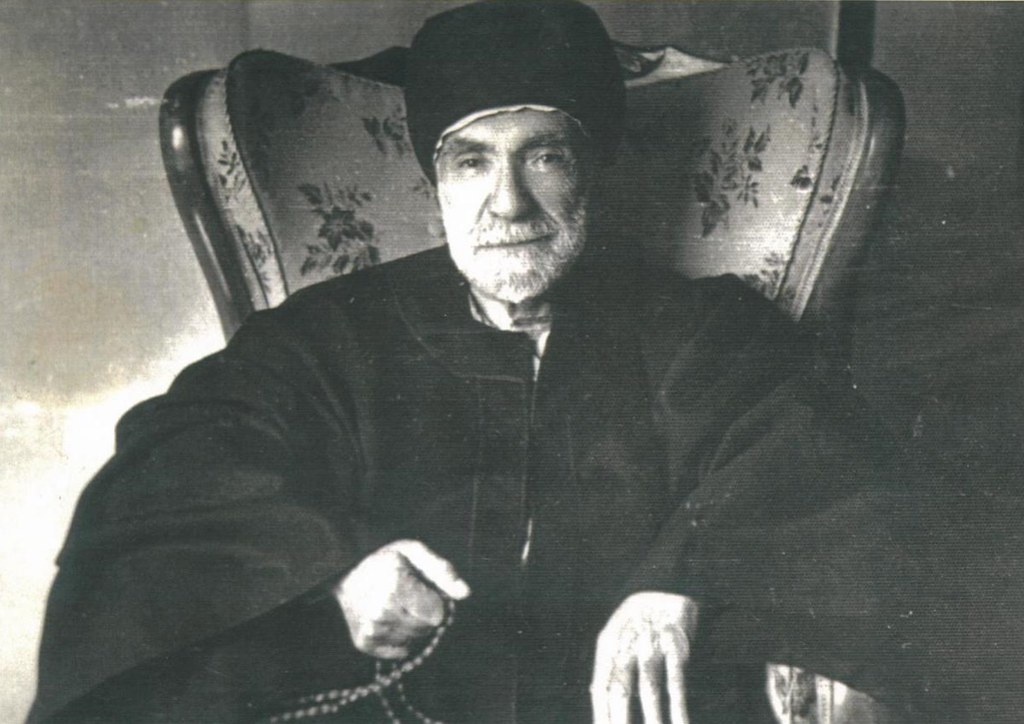
Hacı Muzaffer Ozak (d. 13 February 1985), who served as honorary custodian of the Tomb of Hazrat Nureddin following Fahreddin Efendi and was the founding chairman of the Foundation for the Research and Preservation of Turkish Sufi Music and Folklore, brought Turkish Sufi music to a wide audience both at home and abroad. The Foundation’s archives contain 56 compositions by the late Ozak, as well as 113 compositions set to his speeches.
The Safer Dal Era and Sound Archive
The late Safer Dal (d. 21 February 1999) served as chairman of the foundation between 1985 and 1999; by making hundreds of tape recordings using a reel-to-reel tape recorder, he saved a great many works from being lost. These recordings form one of the cornerstones of the foundation’s archive.
5300
Writtern Music
10
Books
8+
Albums and Concerts
Recent Activities and the Present Day
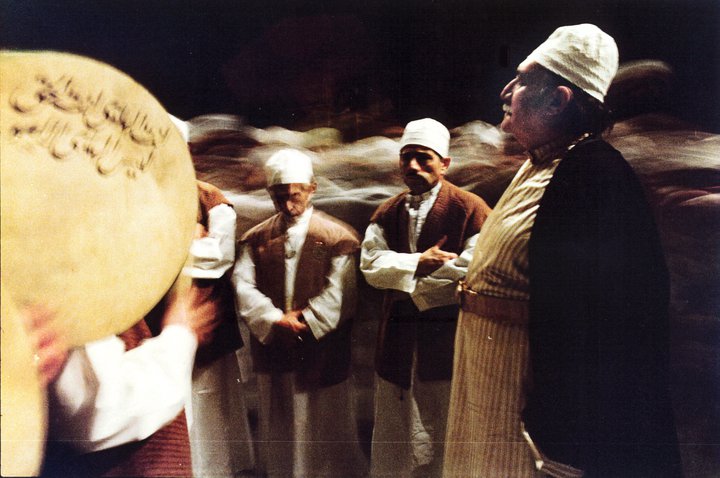
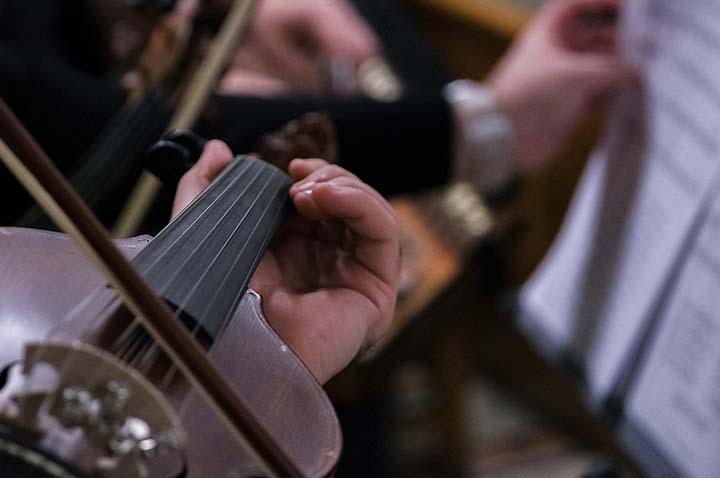
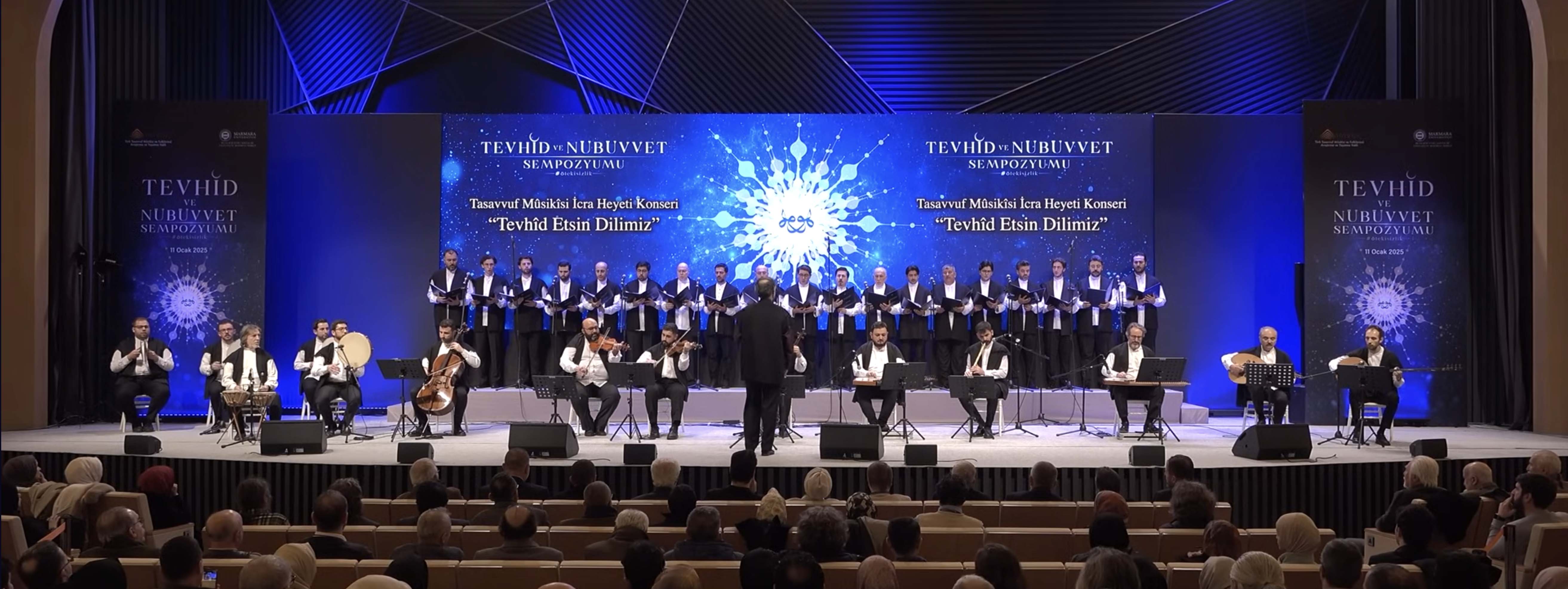
During the tenure of the late Ömer Tuğrul İnançer, who served as chairman of the foundation between 1999 and 2022, cultural and artistic activities within the foundation increased. Today, under the chairmanship of Mr Ahmet Özhan, the Executive Committee continues its work; concerts, musical workshops and new composition projects are ongoing. Musical Rehearsals The musical rehearsals, which have been held regularly on Monday evenings since the time of Muzaffer Ozak, continue to this day as one of the foundation’s most long-standing traditions.

Concerts and Performance Activities
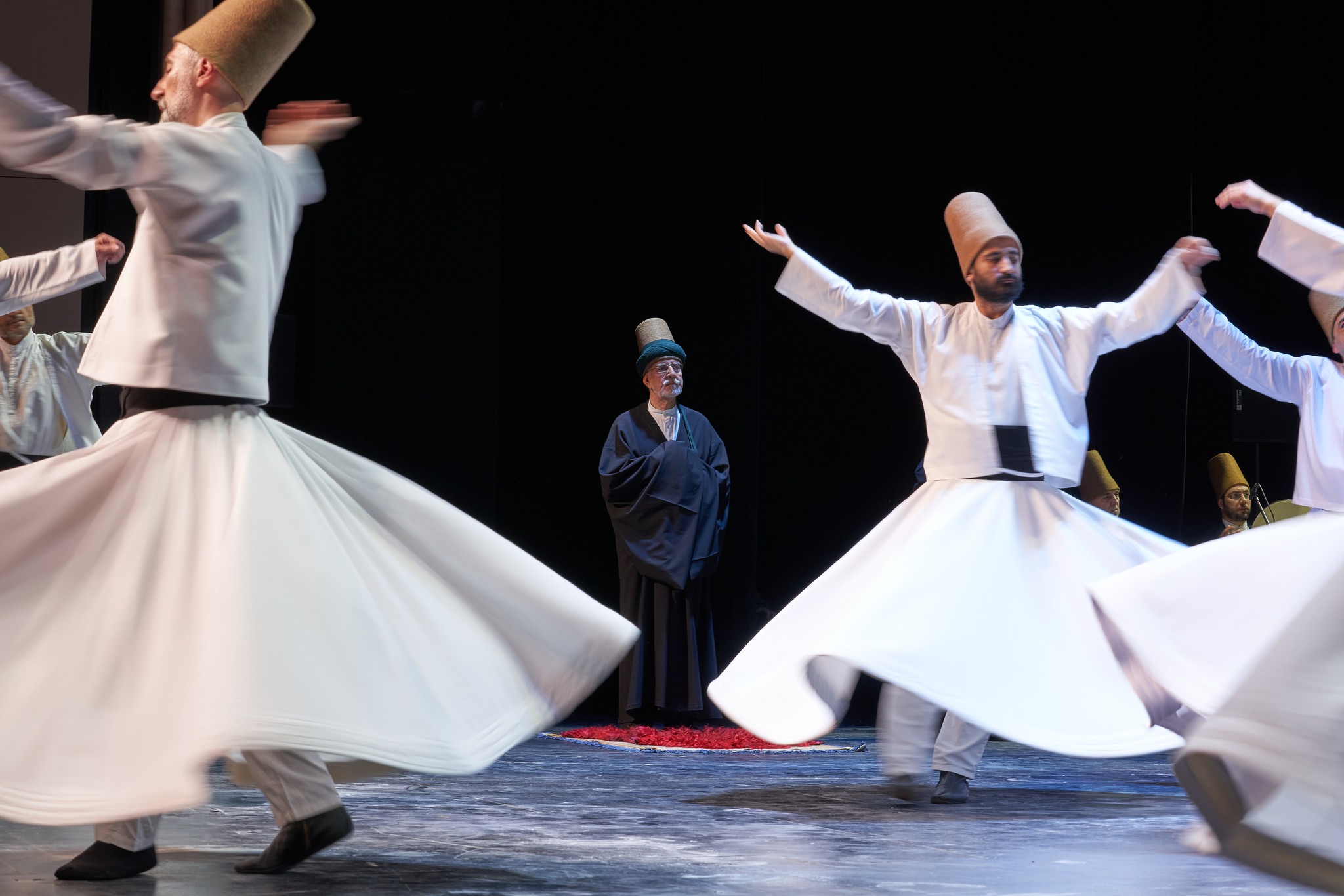
From the 1980s onwards, works compiled and composed within the foundation began to be performed on stage; numerous concerts and festival programmes have been organised both at home and abroad.
Today
Performance of Tradition The music performed within the Foundation consists of pieces accompanying religious rituals centred on Zikrullah; traditional forms are performed in accordance with the Hijri calendar. Hymns and pieces appropriate to the spiritual significance of each month, from Muharram to Zilhicce, are practised.
Publications and Albums The books and music albums published by the Foundation make significant contributions to the preservation of Turkish Sufi music and folklore. In addition to the albums published under the Foundation’s official name, projects prepared under the direction of Mr Ahmet Özhan and the Head of the Performance Ensemble, Mr Mustafa Hakan Alvan, are also important examples of this body of work.