
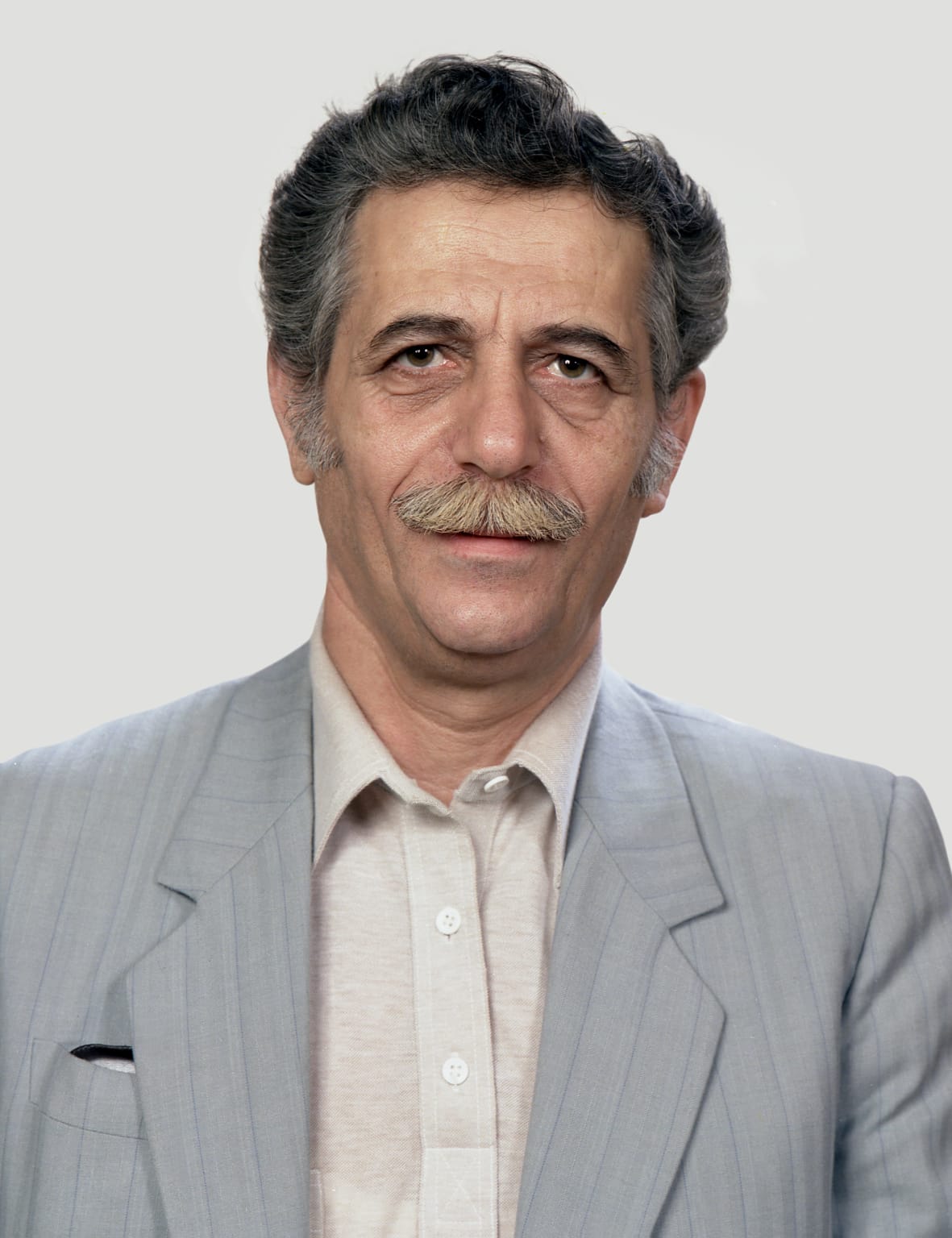
Safer Dal
He was born in Eğrikapı, Istanbul. His father was Sâdık Ramazan Efendi, a member of the renowned Sulalar (Süleymanoğulları) family from the village of Strikçan (Sudencan) in the Albanian district of Debresi Zerkan (Zerqan). His mother, Ülker Hanım, was the daughter of a father who was a martyr at Çanakkale, descended on her father’s side from the Emir Sultan lineage; she came from a family known as the Rüstemoğulları in the town of Ziştov, Bulgaria. Safer Dal was unable to complete his secondary education due to the adverse conditions of the Second World War. During his youth, he worked as a confectioner—a trade he had learnt from his father—and in various other jobs. Upon returning from military service in 1950, he began working at the Câmialtı Shipyard on the Golden Horn. In the years that followed, he ran a patisserie and a wedding hall in Beyazıt. In 1950, he attended the gatherings of Gavsi Efendi, the sheikh of the Kādirîhâne in Tophane, and Muhyiddin Ensârî Efendi, the Kādirî-Rifâî sheikh of the Ayni Ali Baba Dergâh in Kasımpaşa. He attended the sermons of Büyük Cemal Efendi (Öğüt), one of Istanbul’s renowned preachers. He benefited from the guidance of Cemalettin Server Revnakoğlu on the subject of Istanbul’s tekkes and Sufi culture, and Revnakoğlu assisted him in his work. In 1953, whilst seeking to commit himself to a spiritual guide, Sabri Hoca—a member of the Naqshbandi order and nephew of the Sheikh al-Islam Mustafa Sabri Efendi—recommended to him Ibrahim Fahreddin Efendi (Erenden), the sheikh of the Nûreddin Cerrâhî Âsitânesi.
His affiliation with Fahreddin Efendi—one of the bridges that carried the social life and etiquette of Ottoman Istanbul into Republican Turkey—marked a turning point in Safer Dal’s life. He remained in his service until his death in 1966. He spent the subsequent years alongside Muzaffer Ozak, Fahreddin Efendi’s successor. He took part in a culture and arts festival, the first of which was held in Rennes in 1978, with the aim of introducing the order’s rituals and devotional practices and delivering lectures. He subsequently accompanied Muzaffer Ozak on journeys to the United States and European countries such as Germany, the United Kingdom, the Netherlands and Belgium. During his Hajj pilgrimages in 1967, 1974, 1976 and 1980, he visited the shrines and tombs of the Ahl al-Bayt and the saints in cities such as Jerusalem, Baghdad, Damascus and Cairo alongside Muzaffer Ozak. There, he had the opportunity to meet with local scholars and sheikhs.
Following the death of Muzaffer Ozak in 1985, he assumed the role of the twentieth custodian and spiritual leader of the Nûreddin Cerrâhî Tekke, taking on the duty of spiritual guidance. He also assumed the presidency of the Foundation for the Research and Preservation of Turkish Sufi Music and Folklore. Safer Dal, who conducted musical practice and zikr on Monday and Thursday evenings and reserved Saturday evenings solely for spiritual discourse, explained the most subtle matters of Sufism in simple language during his talks, which he enriched with examples from the sayings, sermons and anecdotes of the saints—which he described as interpretations of verses and hadiths. His warm, refined and humble demeanour during these gatherings attracted many people from all walks of life, both local and foreign, to join his circle. In his view, the wisdom of Sufism and the secret of dervishhood lie in serving God with love and serving creation with compassion.
Works
1. Istılâhât-ı Sofiyye fî Vatan-ı Asliyye: Sufi Terminology (Istanbul 1998, 2013). This is a dictionary of Sufi terms, containing concepts drawn primarily from the language spoken and the living culture of the Istanbul tekkes. The work also contains brief information on the spiritual masters of the orders and a list of the tekkes in Istanbul. 2. The Divan of Muhibbî. It contains the love hymns he wrote under the pen name ‘Muhibbî’ (ed. Adalet Çakır, Istanbul 1999). A large proportion of these hymns, written in the style of Yunus Emre, concern the Prophet Muhammad, the Ahl al-Bayt and Fahreddin Efendi. Over eighty musical compositions have been set to some of these by musicologists and composers such as Cüneyt Kosal, Zeki Altun, Sadun Aksüt, Metin Alkanlı and Hakan Alvan. 3. *Ilmihal: Iman-Islam-Ihsan* (Prizren 2000). This work, written for the Muslims of Albania, was translated into Albanian by Tacettin Bituci; no Turkish edition has been published. 4. The talks given by Safer Dal between 1996 and 1997 have also been compiled and published under the title *Geydim Hırkayı* (ed. Adalet Çakır, Istanbul 2013).
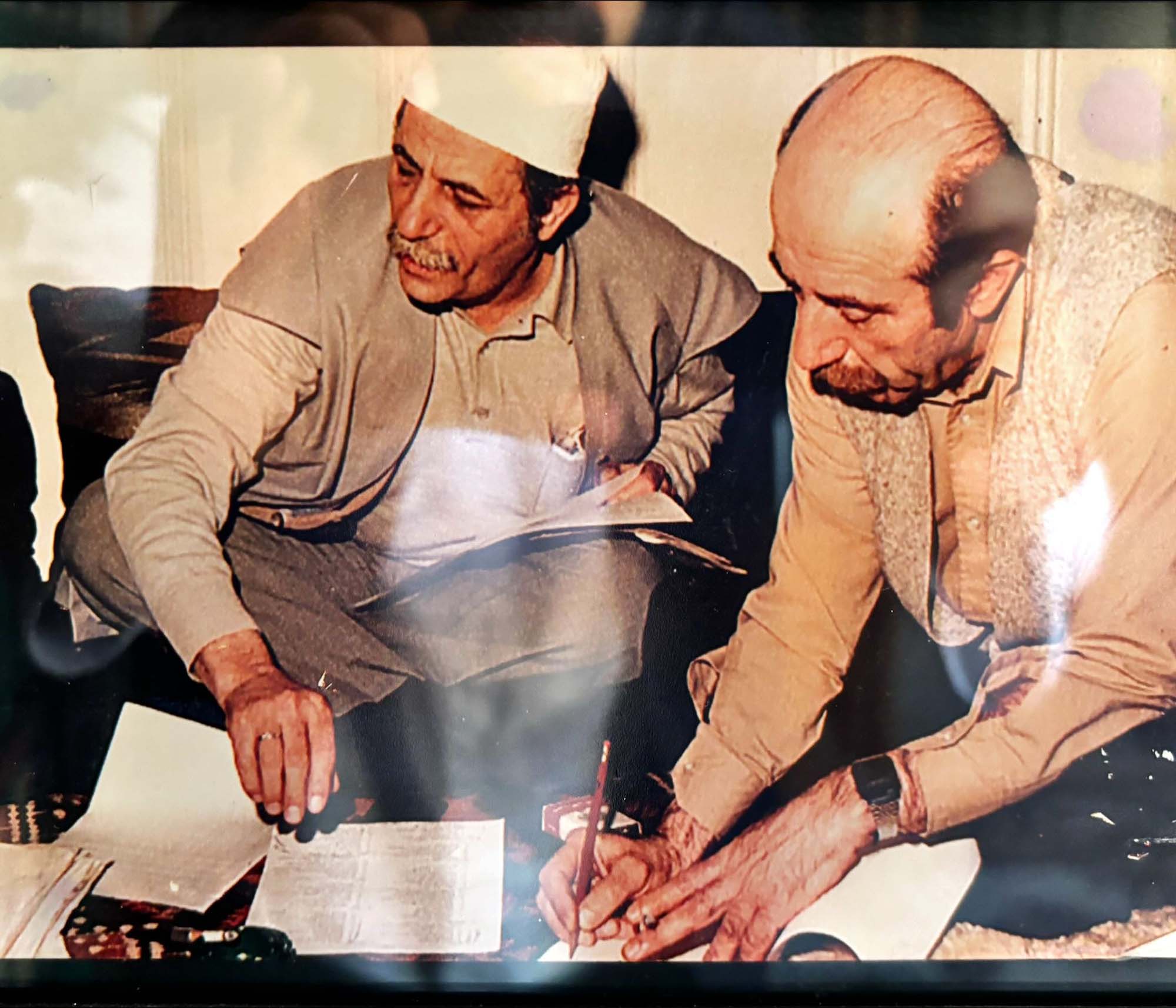
Following his initiation under Fahreddin Efendi, who was highly knowledgeable about Tekke music, he also began to take an interest in music. Among the lead chanters of the Cerrâhî Âsitânesi were Sertarik Ali Haydar Efendi, Colonel Selâhattin Gürer, Hopçuzâde Şakir Efendi (Çetiner), Hüseyin Sebilci (Okurlar), Selâhattin Demirtaş, Lieutenant Colonel Zühtü Bey, Necati Bey, Hâfız Hüseyin Tolan, Hâfız Yaşar Okur and Hâfız Asım Bey. By recording their compositions in their own voices onto reel-to-reel tapes, he saved many works from being lost. In the 1980s, he gave the audio recordings he had archived to Kanûnî Cüneyt Kosal and Metin Alkanlı, whom he had met during that period, and ensured that these works were transcribed into musical notation. He taught these works to new generations by practising them in the zikir styles performed in the old Istanbul tekkes, using the transcriptions produced by the Foundation for the Research and Preservation of Turkish Sufi Music and Folklore. During these sessions, he personally encouraged musicians such as Cüneyt Kosal, Zeki Altun, Doğan Ergin, Arslan Hepgür, Metin Alkanlı, Sami Savni Özer and Ahmet Muhtar Gölge to take up composition by providing them with lyrics. The culture of tekke music, which is today remarkably rich in terms of both repertoire and performance, owes this to a large extent to Safer Dal’s efforts.
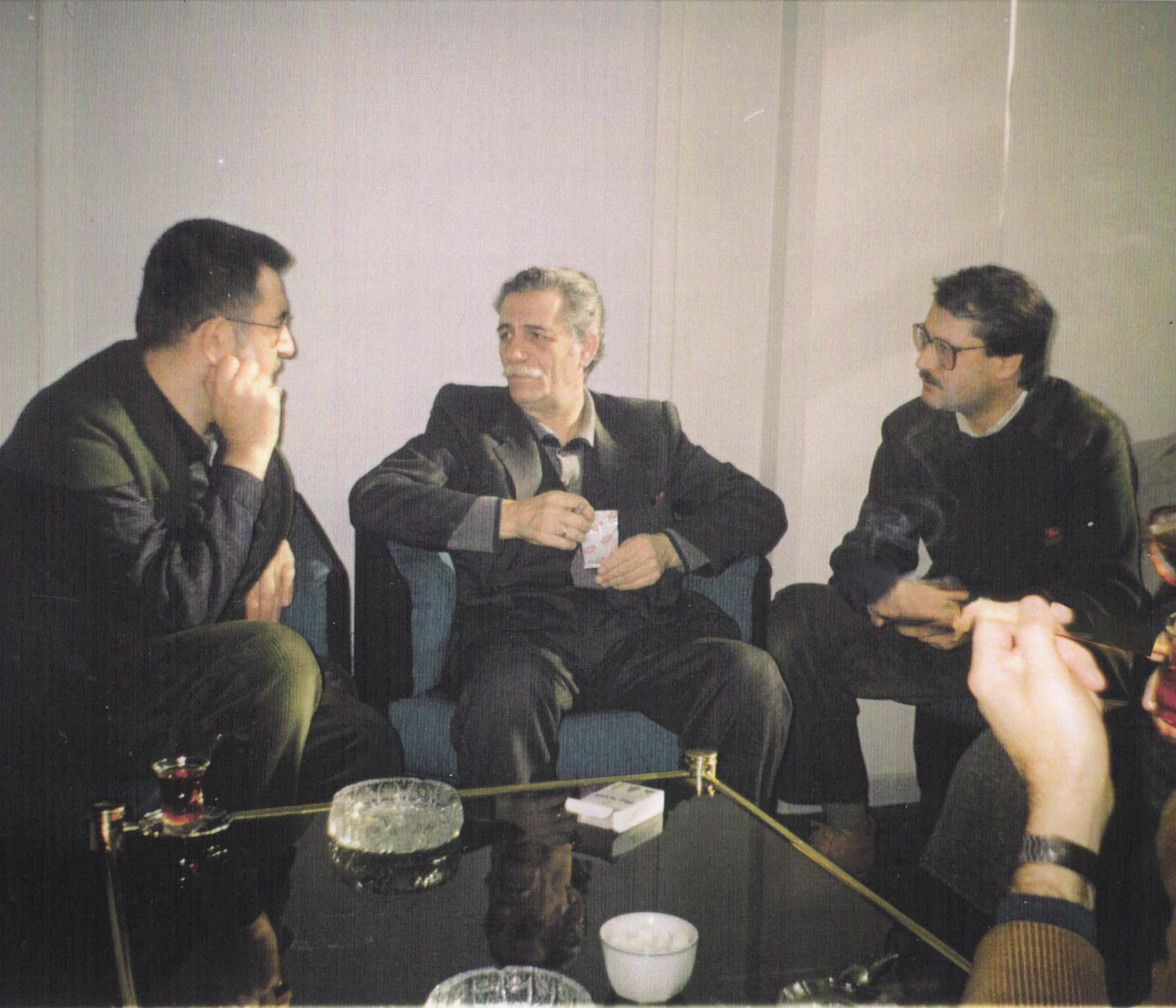
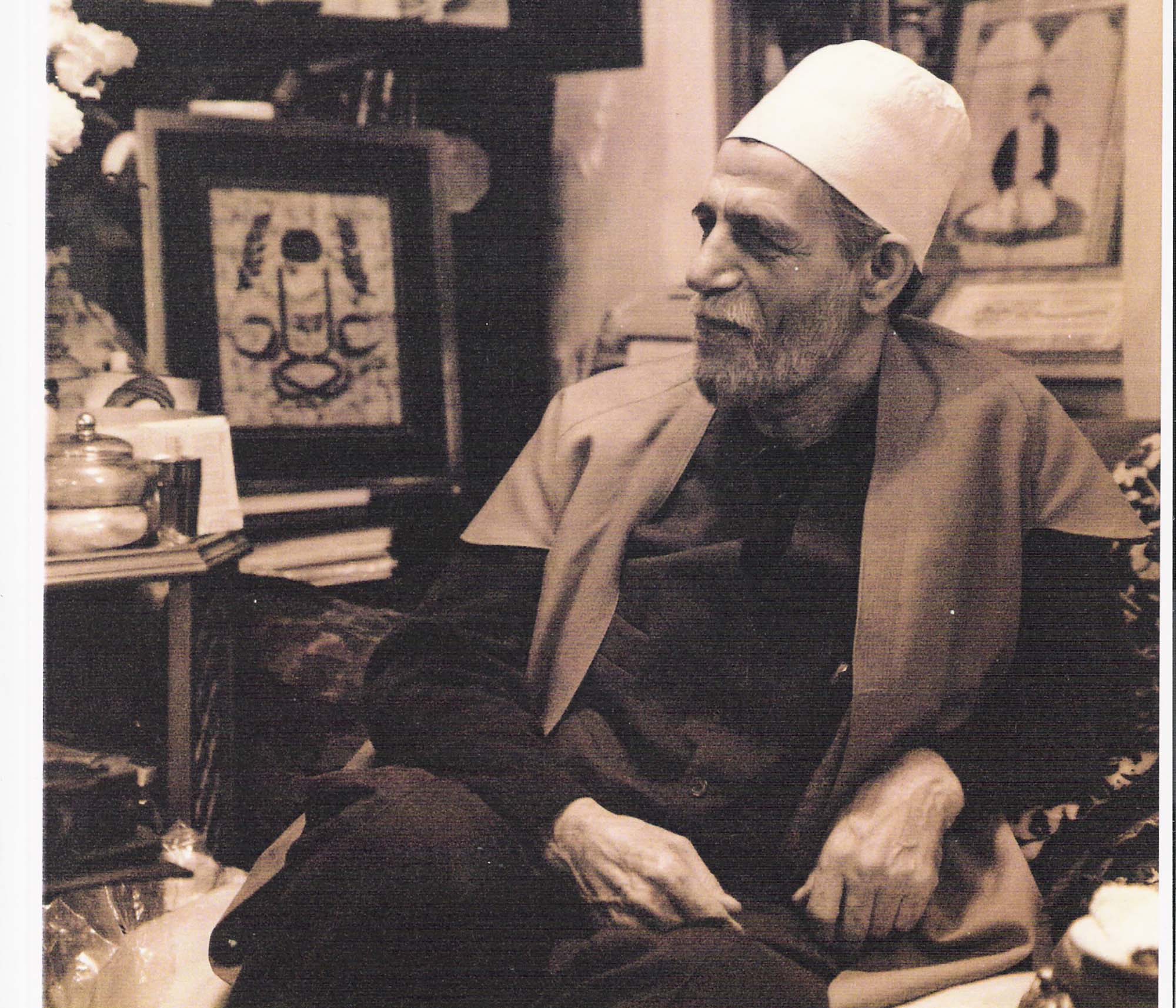
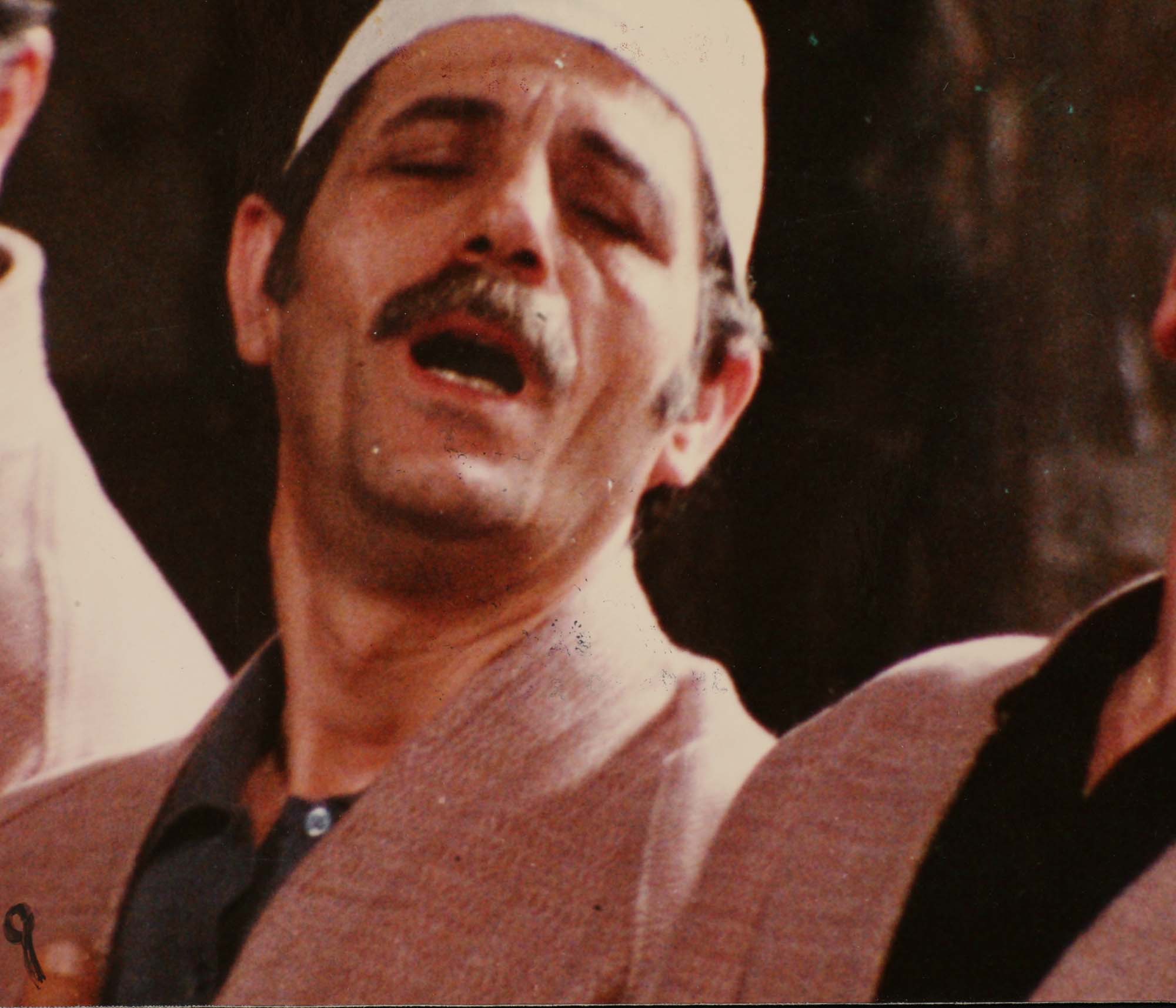
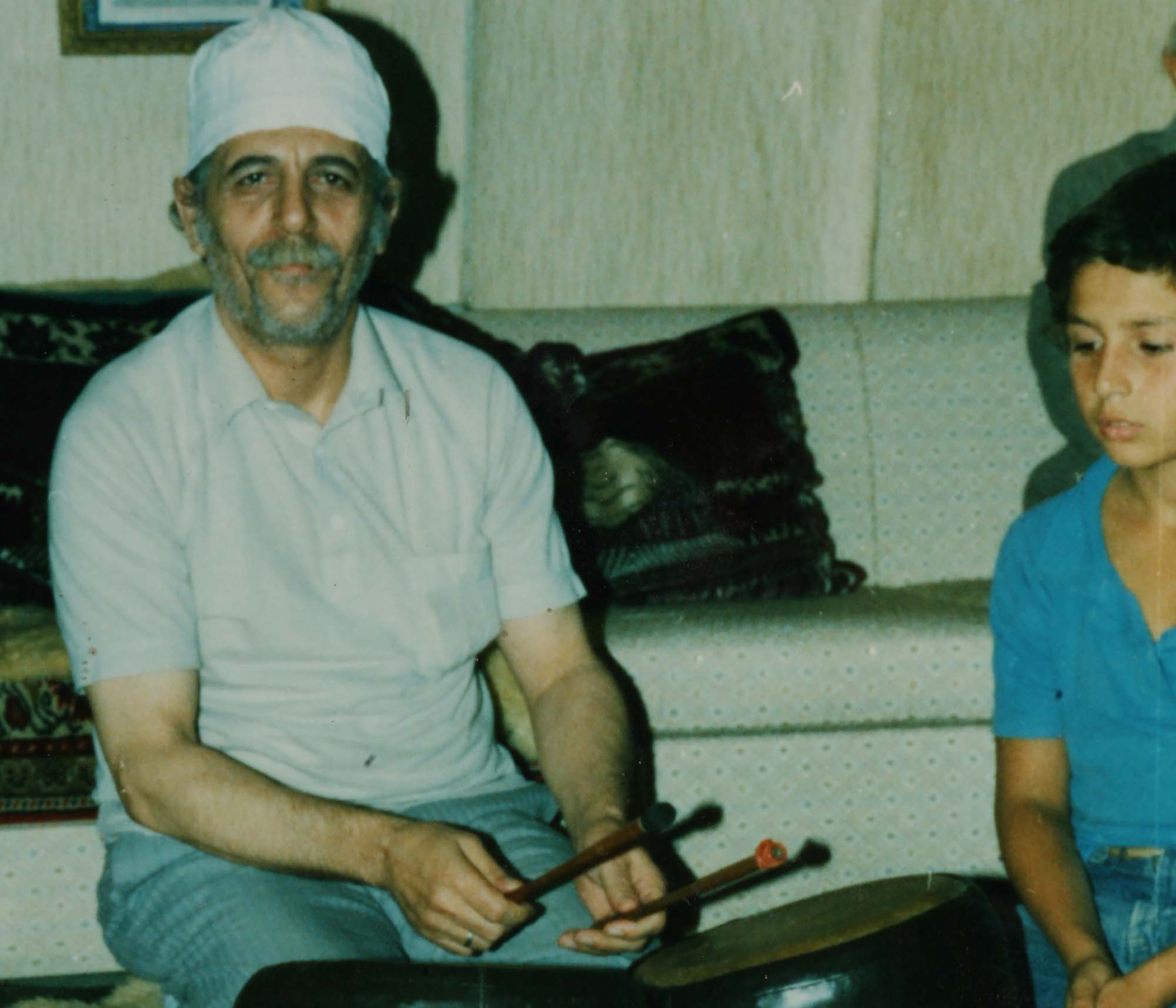
Among his contributions to music, his nine compositions of his own should also be mentioned. The most famous of these is the Hüseyni composition he set to Fahreddin Efendi’s sermon ‘Tevhid etsin dilimiz’ (‘May our tongue proclaim the Oneness of God’). Safer Dal also possessed extensive knowledge of tekke culture. He generously assisted researchers and academics working on these subjects, dedicating his life to reviving the lost culture of Sufism. Furthermore, Safer Dal rendered service by placing the ‘tâc-ı şerif’—symbolising the order—at the tombs of saints both at home and abroad, and by restoring their sarcophagi. He passed away on 21 February 1999 and was laid to rest in the Nûreddin Cerrâhî Dergâh Tomb.
Source: This biography, written by Mehmet Fahrettin Dal and Adalet Çakır, appears on pages 302–303 of Volume 1 of the Supplement to the TDV Encyclopaedia of Islam, published in Ankara in 2020 (revised 2nd edition).